
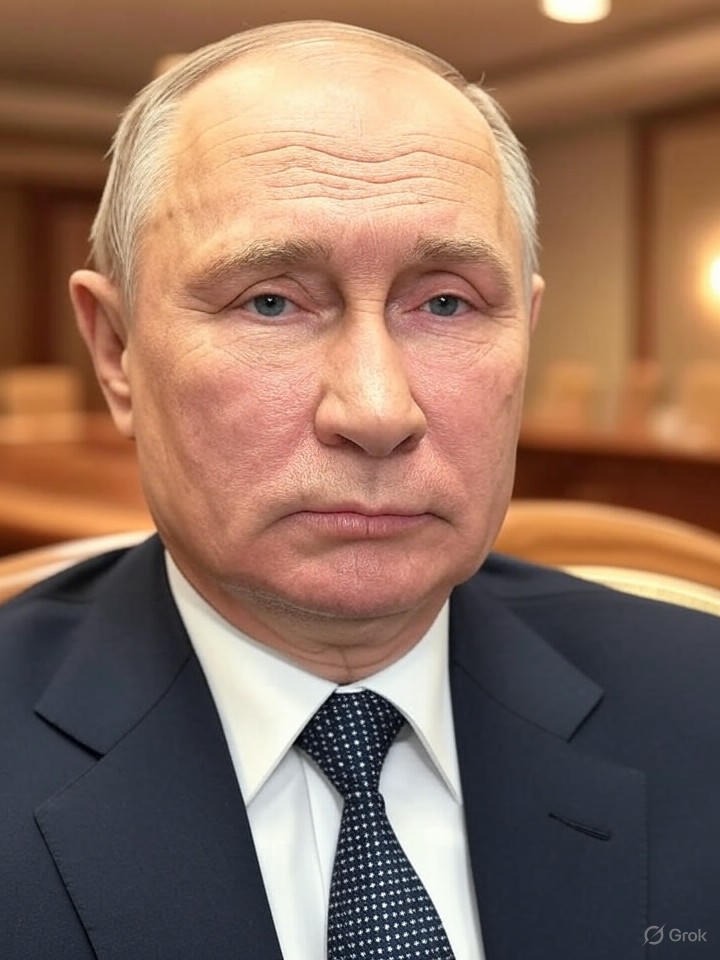
• U.S. and Ukrainian officials have described the initial talks as successful and productive. Following a four-hour meeting, U.S. Secretary of State Marco Rubio called the session "productive," and a Ukrainian official deemed it "successful." Ukrainian President Volodymyr Zelenskyy stated that steps toward ending the war could be determined in the coming days and thanked the U.S. for its efforts.
• A tangible U.S.-backed peace plan is the focus of ongoing discussions with all parties. The negotiations are centered on a revised peace proposal, which Russian President Vladimir Putin has acknowledged could serve as a "basis for future agreements." This indicates a concrete framework is being used to guide the diplomatic push toward a resolution.
• High-level diplomatic engagement is set to continue directly with Russia. The process is moving forward, with U.S. envoys Steve Witkoff and Jared Kushner scheduled to travel to Moscow for a meeting with President Putin. The Kremlin has confirmed the meeting will take place, demonstrating that the primary parties to the conflict remain engaged in the talks.
How it may affect me
As a U.S. reader:
• A peace agreement could alter U.S. foreign aid commitments and affect global energy markets, potentially influencing prices for American consumers.
• The outcome of these U.S.-led talks will shape future American diplomatic relationships with Russia, Ukraine, and European allies who have voiced concerns.
• As key terms of the peace proposal are still unknown, the long-term economic and policy impacts on the U.S. remain speculative.