
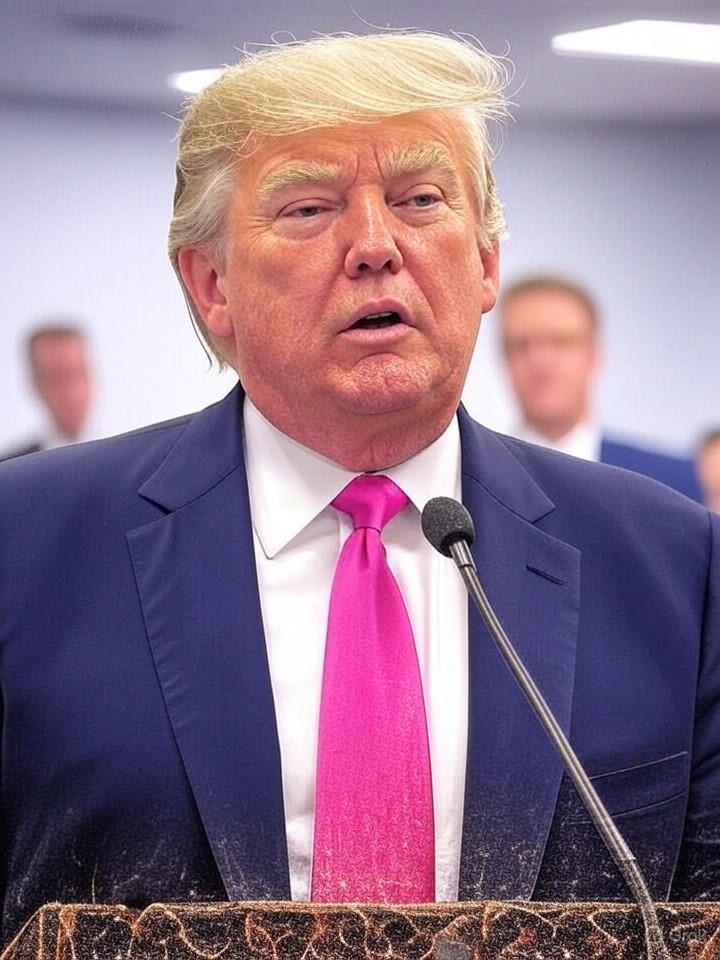
• President Trump has announced a plan to cancel a specific category of executive orders. The plan targets all executive orders from the Biden administration that were signed using an autopen. This action singles out a group of documents based on the method by which they were signed.
• The specific orders targeted for cancellation have not been identified. While the criteria for cancellation—the use of an autopen—have been stated, the announcement did not name the particular executive orders that would be affected. This leaves the full scope and policy impact of the plan undefined.
• The action creates a distinction between autopenned and other orders. By focusing exclusively on orders signed with an autopen, the plan implies a difference in status or legitimacy compared to documents signed by hand. The method of signature is presented as the basis for their potential reversal.
How it may affect me
As a U.S. reader:
• Since the specific executive orders targeted for cancellation are unnamed, the public impact on federal policies and regulations is currently unknown.
• Businesses and individuals relying on regulations established by the autopenned orders may face regulatory uncertainty until the specific policies are identified.
• The plan to reverse orders based on signing method could set a precedent for how future presidential directives are challenged, affecting policy stability.