
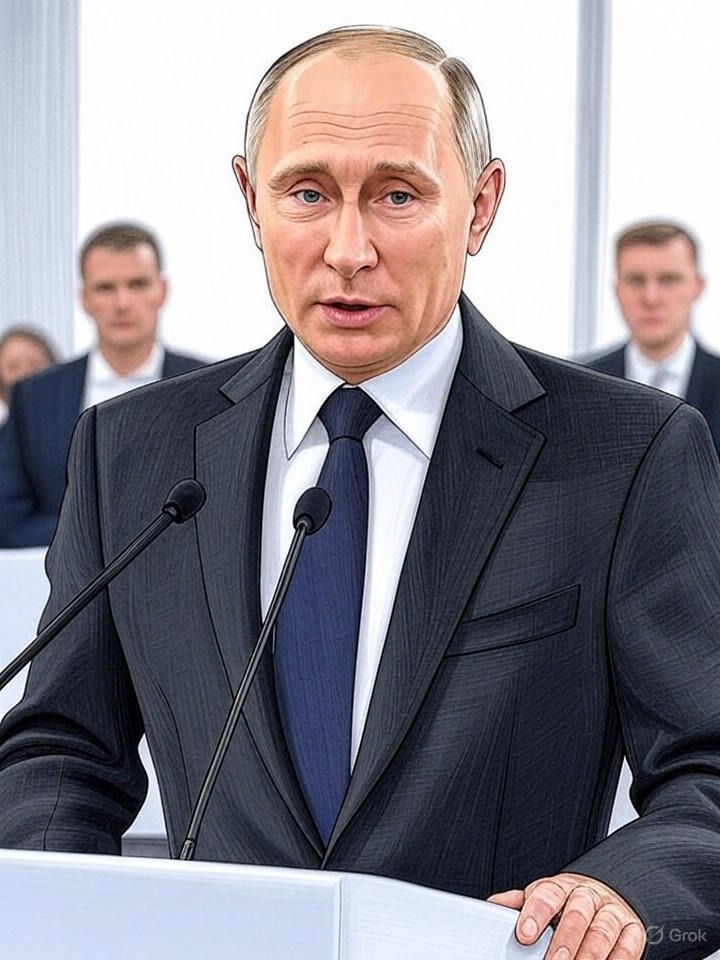
• Key leaders have expressed readiness to pursue a peace agreement. Russian President Vladimir Putin described the U.S.-backed plan as a starting point for serious discussions. Similarly, Ukrainian President Volodymyr Zelenskyy stated that Kyiv is ready to advance the peace framework, and U.S. President Donald Trump commented that "tremendous progress" was being made.
• A tangible framework for a deal is reportedly taking shape. A senior American official confirmed that Ukraine has accepted the "broad contours" of an emerging deal. The current proposal is an amended version of a previous plan, which was refined after recent discussions between U.S. and Ukrainian officials in Geneva.
• High-level diplomatic engagements are scheduled to continue. The article notes that U.S. Special Envoy Steve Witkoff is scheduled to travel to Moscow in the coming week. This upcoming visit signals a concrete step to continue the discussions and build on the current diplomatic momentum.
How it may affect me
As a U.S. reader:
• The possibility of a peace deal could affect global market stability, which may influence U.S. investments and the future cost of some imported goods.
• The outcome of this U.S.-backed diplomacy will impact American foreign policy and its perceived influence in resolving major international conflicts.
• A peace agreement could help stabilize global energy markets. Continued Russian attacks on power infrastructure may contribute to ongoing price volatility affecting consumers.
• It remains unclear if talks will succeed, as Russia’s diplomatic signals are contradicted by continued military strikes and firm territorial demands.