
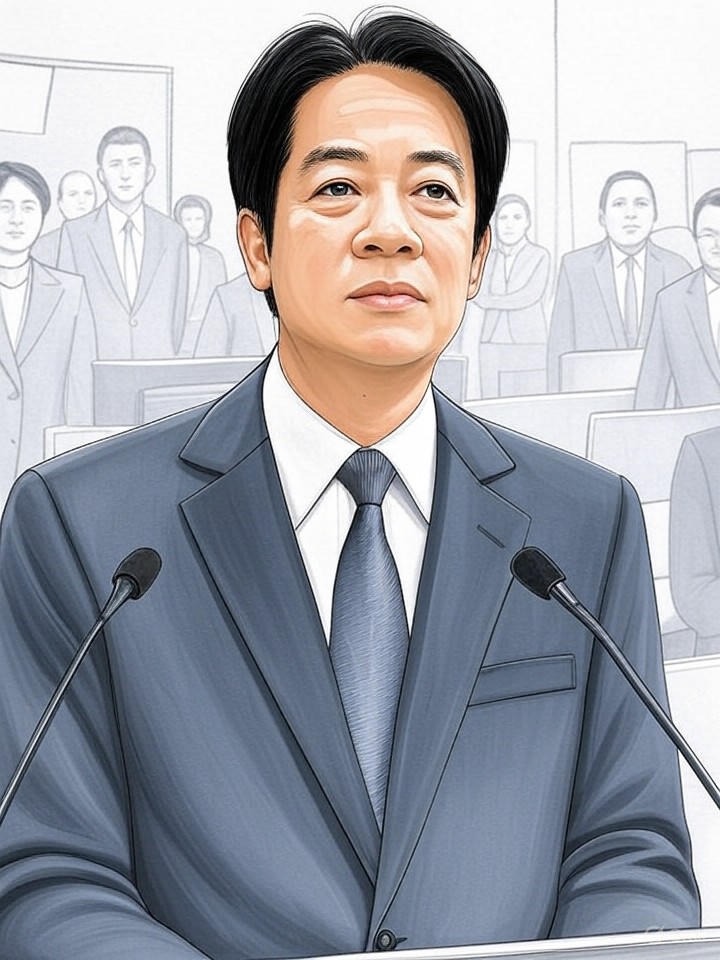
• The budget is a necessary response to threats. Taiwan's President Lai Ching-te has characterized the special budget as a direct response to what he describes as "escalating threats from China." These threats reportedly include military intrusions, maritime "gray zone" activities, and disinformation campaigns directed at the island.
• The funds will significantly bolster self-defense. The nearly $40 billion, allocated over eight years, is intended to strengthen Taiwan's self-defense capabilities. The spending plans include major projects such as a high-level air defense system, the acquisition of precision-strike missiles, and joint development initiatives with the United States.
• The initiative has garnered international support. The United States has expressed its backing for the move, with a State Department spokesperson welcoming the budget announcement. Washington voiced its support for Taiwan's acquisition of defense capabilities and its commitment to increase overall defense spending to at least 5% of GDP by 2030.
How it may affect me
As a U.S. reader:
• Joint development projects between Taiwan and the U.S. may create contracts for American defense firms, potentially affecting jobs and the economy in that specific industry.
• U.S. support for Taiwan's budget, along with China's stated response, contributes to rising military tensions in the region, which could influence future U.S. security policy.
• The U.S. government's expressed support for Taiwan’s spending signals a closer security partnership, which may shape future American foreign policy commitments in the Indo-Pacific region.