
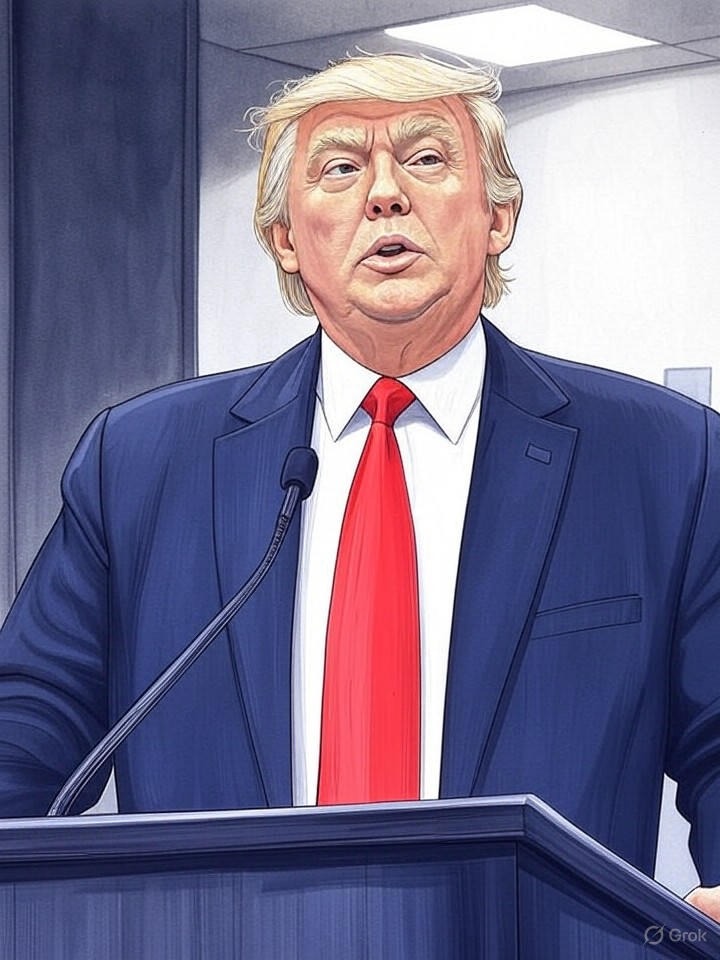
• The president described the mayor-elect as rational and identified areas of common interest. Following their meeting at the White House, President Trump stated that he found Mayor-elect Zohran Mamdani to be a "very rational person." He also reported that they found common ground on subjects such as housing and prices.
• Trump expressed a shared goal with the mayor-elect for the success of New York City. The president congratulated Mamdani on his victory and adopted a friendly tone, according to the article. He stated that both he and the mayor-elect want New York City to do well.
• The president downplayed harsh criticism of the mayor-elect from within his own party. President Trump reportedly told reporters he did not believe Representative Stefanik's characterization of Mamdani as a "jihadist" was accurate. He also suggested that her critical remarks were simply campaign rhetoric.
How it may affect me
As a U.S. reader:
• Potential federal cooperation with NYC on housing and prices could impact residents' living costs, depending on whether the stated common ground leads to policy action.
• Division within one party on engaging with opponents may create policy uncertainty for cities seeking federal support, potentially affecting funding for local services.
• An administration official branding a local mayor as the national Democratic leader could influence how the public perceives that party's platform ahead of elections.