
U.S. and Ukrainian Officials Discuss Disputed Peace Plan in Geneva

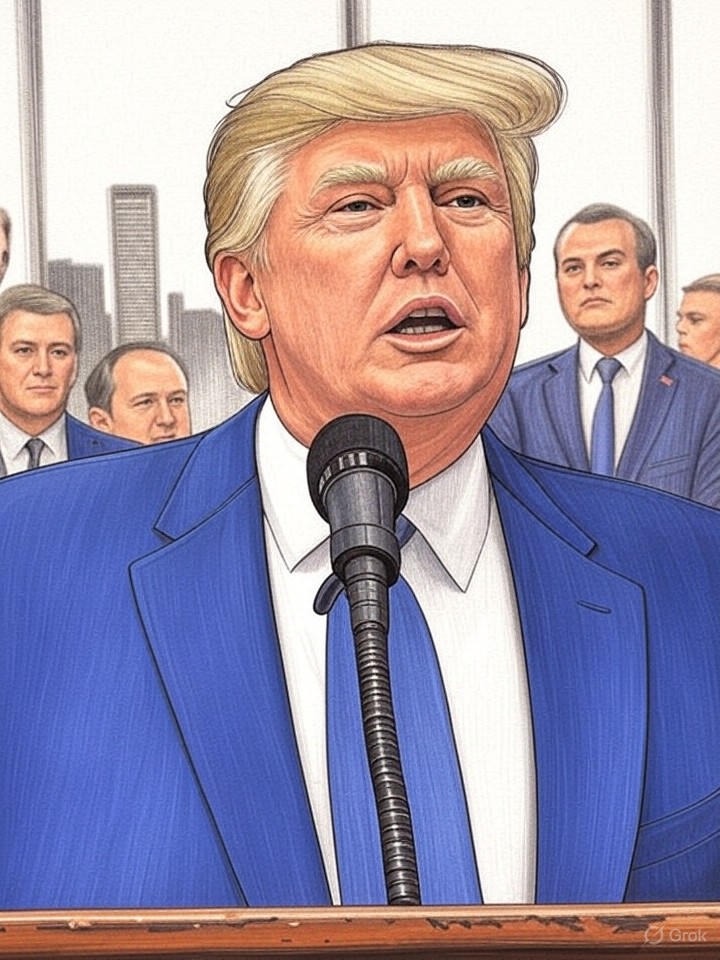
Illustration for: U.S. and Ukrainian Officials Discuss Disputed Peace Plan in Geneva
AI-generated illustration. Visual interpretation does not represent real individuals or scenes.

THE BARE STORY

Ukrainian, U.S., and European officials met in Geneva on Sunday to discuss a 28-point American peace proposal aimed at ending the war in Ukraine. The U.S. delegation includes Secretary of State Marco Rubio and Army Secretary Daniel P. Driscoll, while Ukraine’s is led by Andriy Yermak, head of the president’s office. Officials from both sides described initial talks as constructive. Russia is not formally part of the Geneva meetings, though a U.S. official said a separate meeting with a Russian delegation is planned.

The proposed plan has generated concern in Kyiv and European capitals, with critics describing its terms as a Ukrainian capitulation. According to reports, the plan requires Ukraine to cede territory, significantly reduce its military, and be barred from possessing long-range weapons. A high-ranking Ukrainian official stated the U.S. has threatened to halt all assistance, including military and intelligence aid, if Kyiv rejects the deal. Ukrainian Ambassador to the U.S. Olga Stefanishyna characterized the proposal as focused on ending military engagement rather than achieving justice.

U.S. President Donald Trump, who on Saturday called the proposal not his "final offer," on Sunday criticized Ukraine for showing "zero gratitude." Ukrainian President Volodymyr Zelenskyy has stated he hopes for a result to end the bloodshed and said his country may face a choice between its "dignity" and risking the loss of the U.S. as a partner. On Friday, Russian President Vladimir Putin said the Kremlin received the proposal, which he believed could be a basis for a settlement.

Conflicting accounts have emerged regarding the plan’s origin. A bipartisan group of U.S. senators said Secretary Rubio had described the plan to them as being developed by Russia. Rubio rejected this account, stating the U.S. authored the proposal as a negotiating framework with input from both sides. A State Department spokesperson called the senators’ claims "blatantly false." Polish Prime Minister Donald Tusk expressed skepticism, stating allied leaders wanted to know the plan's author.

Same Facts. Different Perspectives.

Two AI models. Two viewpoints. One factual foundation.

• The proposal is a constructive negotiating framework. U.S. officials, including Secretary of State Marco Rubio and Army Secretary Daniel P. Driscoll, described initial talks in Geneva as constructive. President Trump stated the proposal was not his "final offer," while Secretary Rubio characterized the plan as a negotiating framework intended to help end the war.

• The United States authored the peace proposal. Secretary Rubio rejected an account from a group of U.S. senators who claimed the plan was developed by Russia. Rubio asserted that the U.S. authored the proposal with input from both sides, and a State Department spokesperson called the senators' claims "blatantly false."

• Ukraine is showing a lack of gratitude for U.S. efforts. President Trump criticized Ukraine for showing "zero gratitude" in its response to the peace plan. According to a high-ranking Ukrainian official, the U.S. has also threatened to halt all assistance, including military and intelligence aid, if Kyiv rejects the proposed deal.

How it may affect me

As a U.S. reader:

• An end to U.S. aid for Ukraine, as threatened in the proposal, would alter government spending and reallocate taxpayer funds previously directed toward the conflict.

• Disagreement over the plan's terms and origins may strain U.S. relationships with European allies like Poland, potentially impacting future international cooperation and security agreements.

• A successful settlement could de-escalate a major conflict, affecting global stability, while failure could prolong U.S. involvement and resource commitments to the region.

• Conflicting reports between U.S. senators and the State Department over the plan’s origin suggest the proposal could become a point of significant domestic political debate.

Read the story at

Note: All TheBareNews content is AI-generated. For additional context, reporting, and updates, you are invited to explore the news outlets linked above.