
• The partnership yields significant economic benefits and job creation for the U.S. In a major economic initiative, Crown Prince Mohammed bin Salman (MBS) pledged nearly $1 trillion in new Saudi investments into American industries, including infrastructure, artificial intelligence, and clean energy. According to administration officials, these agreements are expected to create tens of thousands of U.S. jobs.
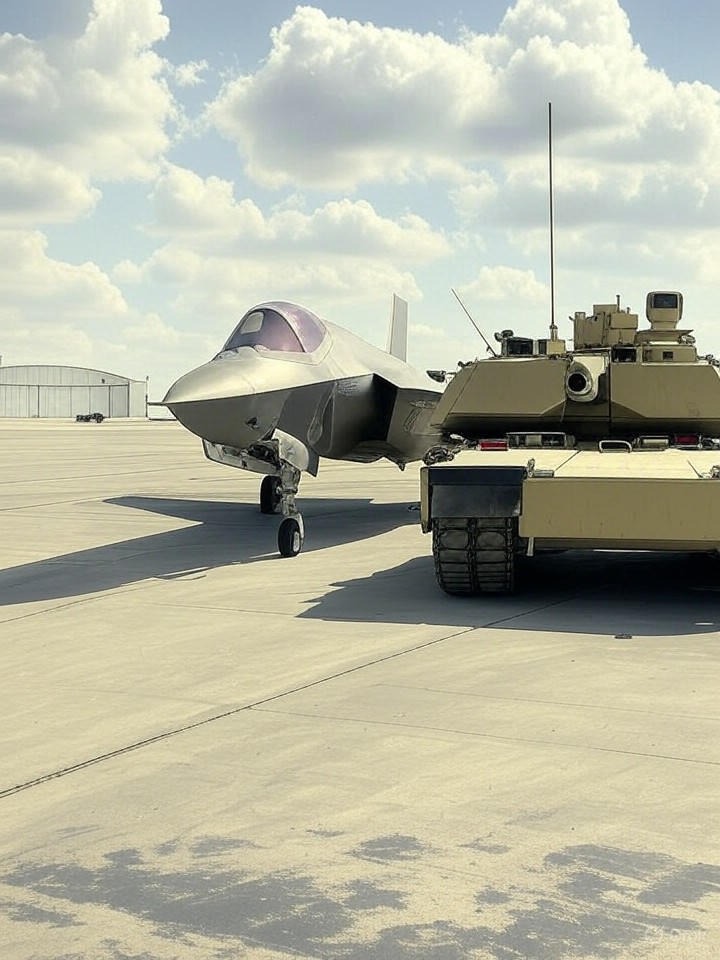
• New agreements enhance strategic military cooperation between the two nations. The designation of Saudi Arabia as a major non-NATO ally is intended to expedite arms sales and strengthen military ties. The deals include the sale of F-35 fighter jets, Abrams tanks, and missile defense systems, with a White House statement noting the agreements strengthen the U.S. defense industrial base.
• Both leaders have addressed and moved past historical controversies. President Trump stated that MBS "knew nothing about" the 2018 killing of Jamal Khashoggi, while the crown prince called the death a "huge mistake" and said systems were improved to prevent a recurrence. Regarding 9/11, MBS asserted that Osama bin Laden deliberately used Saudi nationals in the attacks to "destroy the American-Saudi relationship."
How it may affect me
As a U.S. reader:
• Pledged Saudi investments of nearly $1 trillion in U.S. infrastructure and energy are expected by officials to create tens of thousands of American jobs.
• New defense agreements to sell fighter jets and tanks are meant to strengthen the U.S. defense industrial base, potentially affecting employment in that manufacturing sector.
• The alliance renews focus on a court ruling that Saudi Arabia must stand trial over its alleged role in the 9/11 attacks, affecting victims' families.
• The administration’s position on the Khashoggi murder contradicts a U.S. intelligence report, which may raise public questions about the basis for foreign policy decisions.