
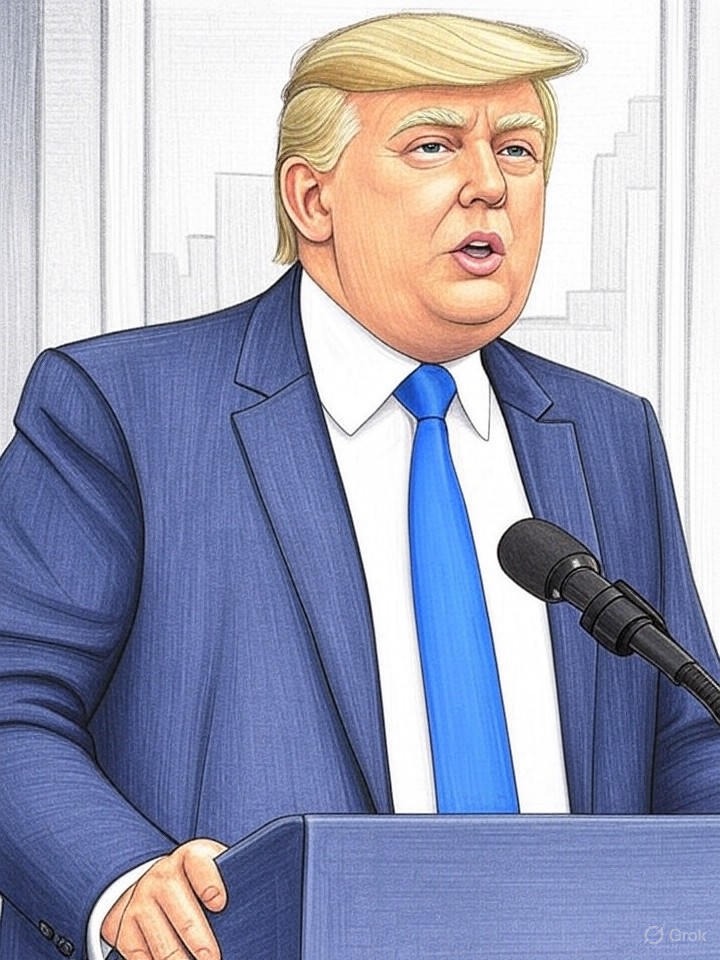
• The plan is presented as a serious effort to end the war. The U.S. has introduced a 28-point peace plan and is sending high-level officials, including the Secretary of State and the Army Secretary, to discuss it with a Ukrainian delegation in Geneva. President Trump has emphasized that the war "must end," and a separate meeting between American and Russian delegations is also planned to advance the process.
• The proposal is framed with some degree of flexibility. President Trump described the current terms as not his "final offer," signaling a potential willingness to negotiate on specific points. While the plan reportedly sets a Thanksgiving deadline for Kyiv's acceptance to avoid losing U.S. support, the president also indicated that an extension is possible.
• The framework requires specific concessions to establish peace. A draft, reportedly confirmed by a White House official, outlines a framework that would require Ukraine to cede both the Donbas region and Crimea. In addition, the proposal would require Ukraine to formally renounce any future membership in NATO as part of the settlement.
How it may affect me
As a U.S. reader:
• U.S. financial and military aid to Ukraine may be significantly reduced or end, depending on whether Kyiv accepts the plan, which could affect government spending.
• The proposal has raised concerns among key U.S. allies, potentially impacting future diplomatic relationships and international cooperation on security and economic matters.
• A settlement based on the plan's terms could alter long-term U.S. foreign policy regarding territorial integrity and military alliances like NATO.