
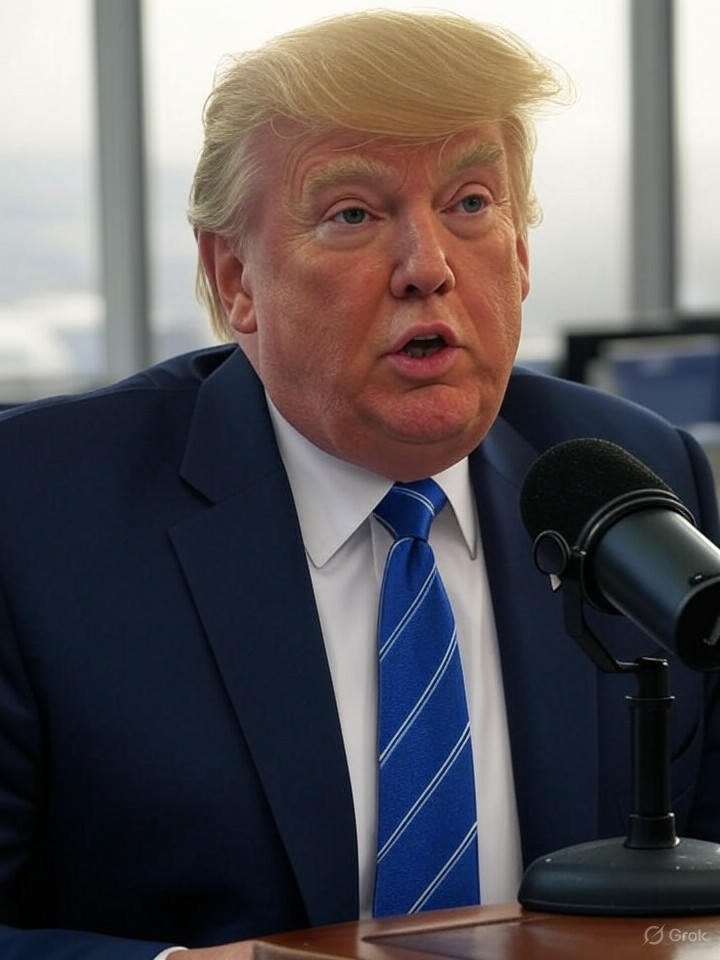
• The meeting is an opportunity to advocate for his policy agenda. Mamdani has stated that his primary goal for the meeting is to discuss what he terms a "national crisis of affordability." He is approaching the discussion as a chance to "make the case for New Yorkers," signaling a focus on substantive policy issues affecting his constituents.
• Cooperation is conditional on benefits for New York. The mayor-elect has expressed a willingness to collaborate with the president, but this cooperation is contingent on the outcome. According to reports, he is prepared to work with President Trump specifically on any agenda that proves beneficial for the people of New York City.
• The mayor-elect has previously accused the president of threatening behavior. This meeting follows a period of significant hostility, during which Mamdani accused the president of making threats and engaging in "authoritarian behavior." He also previously committed to "Trump-proof" the city, highlighting a history of direct opposition to the president's actions and rhetoric.
How it may affect me
As a U.S. reader:
• The outcome could affect federal funding for New York City, impacting its public services and infrastructure projects.
• Discussions on a "national crisis of affordability" may influence future federal policies on housing or cost of living, though any changes are speculative.
• This meeting may set a precedent for cooperation or conflict between the federal government and local leaders with sharply opposing political views.
• The meeting's tone could influence federal rhetoric toward immigrants and naturalized citizens, potentially affecting communities across the country.