
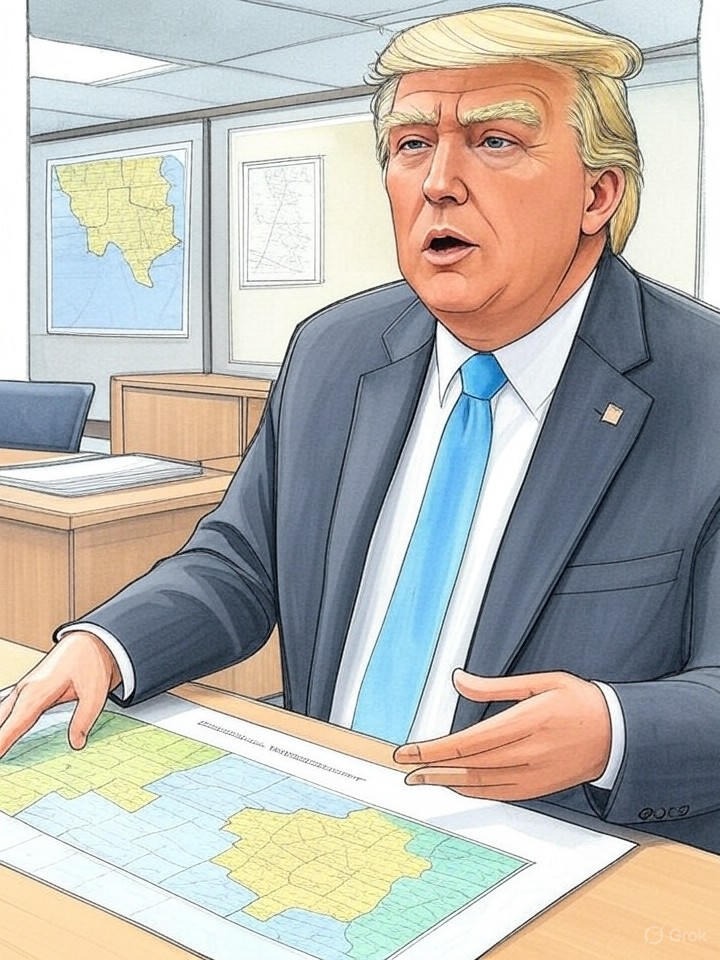
• The new map is an unconstitutional, race-based gerrymander. The federal judicial panel's majority opinion found that the map was likely an unconstitutional gerrymander based on race. The court stated the map was drawn to fulfill what it described as racial objectives demanded by the Department of Justice during the Trump administration.
• The state’s stated motivations for the map were not believable. In their decision, the judges found that claims by state lawmakers of having race-blind partisan motivations were not credible. This disbelief in the state's justification supported the court's finding that the redistricting was improperly influenced by racial considerations.
• The redistricting was an attempt to silence voters for political reasons. According to Texas Minority Leader Gene Wu, who praised the ruling, the new map represented an effort by state Republicans to silence voters. He stated this was done in an attempt to placate Donald Trump.
How it may affect me
As a U.S. reader:
• This ruling temporarily prevents a new map that would have made five Texas congressional districts more favorable to Republicans, pending a Supreme Court appeal.
• The Supreme Court's eventual decision could set a precedent for how other states can legally redraw their congressional districts in the future.
• The outcome of this case and similar ones in other states will affect the partisan balance of power in the U.S. House of Representatives.