
• The lawsuit alleges the firing was unlawful retaliation for protected expression. The civil complaint filed by David Maltinsky, a 16-year FBI veteran, asserts that his termination violated his First Amendment rights. His legal counsel stated the case raises the question of whether the government can punish individuals for expressing who they are.
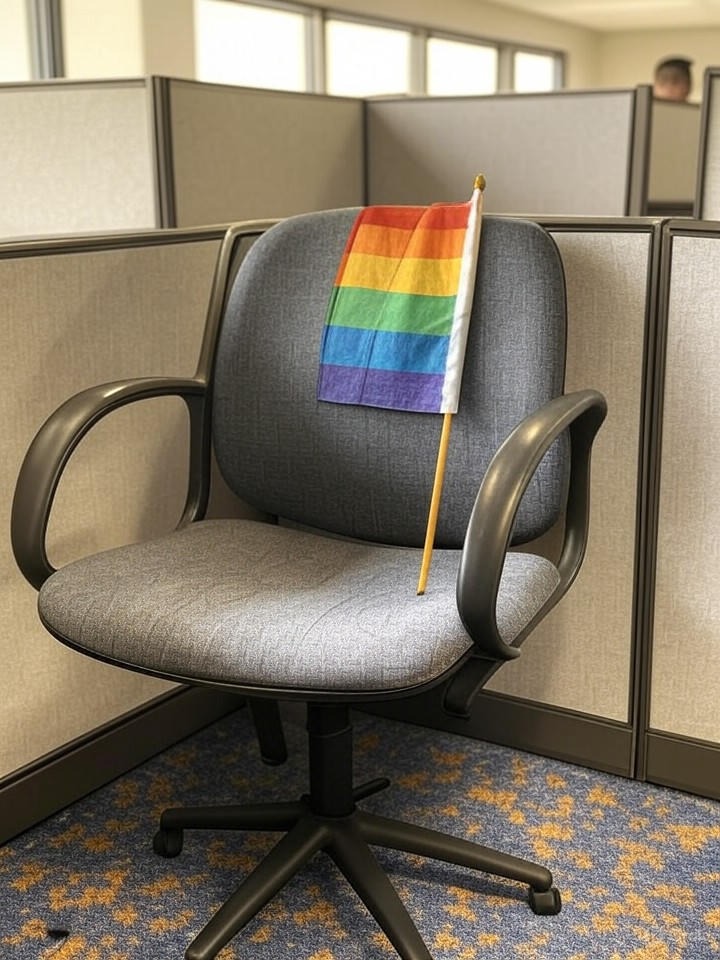
• The dismissal was specifically for displaying a Pride flag, an approved symbol. According to the suit, Maltinsky was fired for displaying a Pride flag near his desk, and he is seeking to be reinstated in his job. The filing notes that the federal government had previously approved the display of Pride flags at its office complexes in June 2021.
• The termination is claimed to have a "chilling impact" within the bureau. Maltinsky, who was weeks away from becoming an agent at the time of his dismissal, claims his firing has created a negative atmosphere within the FBI. The lawsuit suggests the action discourages others from similar expression.
How it may affect me
As a U.S. reader:
• The lawsuit's outcome may clarify federal policies on employee expression, defining what is considered personal identity versus inappropriate "political signage" in government workplaces.
• This case could influence public trust in the FBI, contrasting claims of retaliatory firing with the agency’s stated commitment to merit-based personnel actions.
• The alleged "chilling impact" within the bureau, if proven, might affect recruitment and retention at federal agencies by shaping perceptions of workplace culture and expression.