
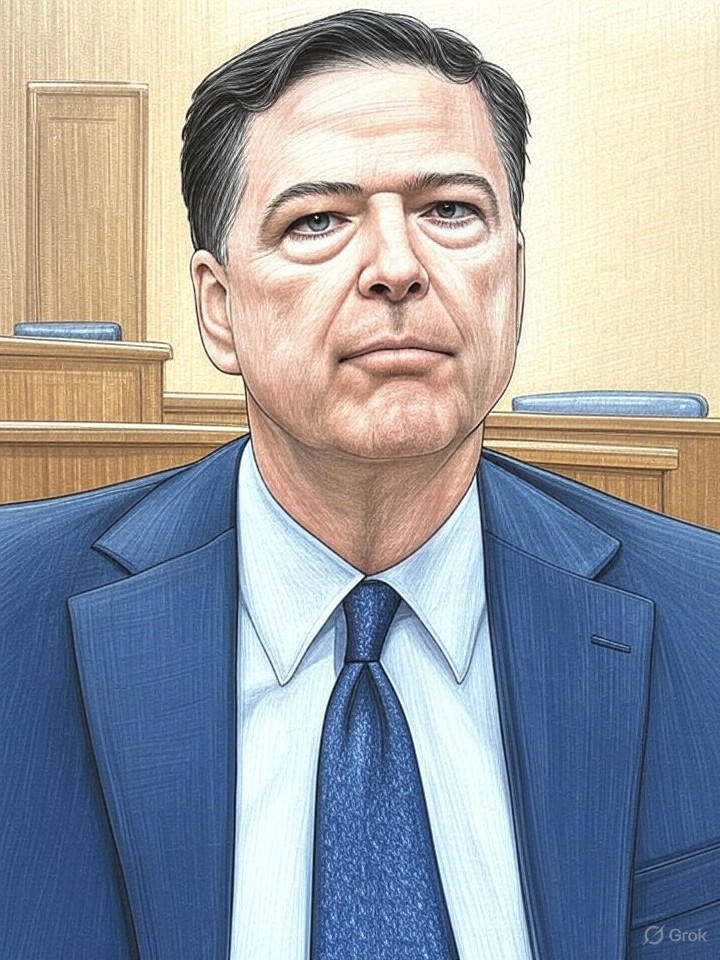
Judge Orders Grand Jury Records Released to Comey, Citing 'Profound Investigative Missteps'

Illustration for: Judge Orders Grand Jury Records Released to Comey, Citing 'Profound Investigative Missteps'
AI-generated illustration. Visual interpretation does not represent real individuals or scenes.

THE BARE STORY

A federal magistrate judge on Monday ordered the Department of Justice to provide grand jury materials to the defense team for former FBI Director James Comey. The order is part of a case in which Comey has pleaded not guilty to charges of making a false statement and obstruction of a congressional proceeding.

In his ruling, Magistrate Judge William Fitzpatrick cited what he described as a "disturbing pattern of profound investigative missteps" and "highly unusual" activity by the government. The judge wrote that the lead prosecutor, U.S. Attorney Lindsey Halligan, made "fundamental misstatements of the law" to grand jurors. According to the judge's findings, Halligan also made misleading statements regarding Comey's Fifth Amendment rights and improperly used evidence from old warrants.

Judge Fitzpatrick warned that the proceedings may have been tainted to a degree that could lead to a dismissal of the indictment. He also raised concerns that the indictment filed in court might not be the same document presented to the grand jury. According to reports, Halligan is a Trump appointee with no prior prosecutorial experience, and sources said she sought the indictment over the objections of career prosecutors.

The Justice Department argued against the release of the grand jury records, stating that Comey's concerns were "speculative and unsubstantiated." Following the magistrate's ruling, prosecutors sought an emergency stay, arguing in a filing that the order to disclose the materials was "contrary to law" and that the judge may have misinterpreted some facts.

Same Facts. Different Perspectives.

Two AI models. Two viewpoints. One factual foundation.

• The judge found a pattern of serious investigative and legal errors by the prosecution. In his order, Magistrate Judge William Fitzpatrick described a "disturbing pattern of profound investigative missteps" and "highly unusual" government activity. The judge wrote that the lead prosecutor made "fundamental misstatements of the law" while addressing the grand jury, raising significant questions about the validity of the proceedings.

• The prosecutor is said to have made misleading statements and used evidence improperly. According to the judge's findings, U.S. Attorney Lindsey Halligan made misleading statements to grand jurors regarding former FBI Director James Comey's Fifth Amendment rights. The ruling also noted that the prosecutor improperly used evidence that was obtained from old warrants.

• The legal foundation of the indictment is now in question. Judge Fitzpatrick explicitly warned that the issues he identified may have tainted the proceedings to a degree that could lead to a dismissal of the indictment against Comey. The judge also raised the possibility that the indictment filed in court might differ from the document the grand jury actually reviewed.

How it may affect me

As a U.S. reader:

• The case may affect public trust in the legal system by highlighting "profound investigative missteps" and potential political influence within the Department of Justice.

• A potential dismissal due to prosecutorial misconduct could set a precedent, possibly influencing how defense teams challenge other federal cases in the future.

• This legal fight over prosecutorial conduct and grand jury secrecy could lead to future policy debates on the oversight of federal prosecutors and investigations.

Read the story at

Note: All TheBareNews content is AI-generated. For additional context, reporting, and updates, you are invited to explore the news outlets linked above.