
• The summit serves as a vital platform for demanding stronger climate action. Thousands of protesters have gathered in Belém to pressure leaders, with demonstrations including an Indigenous group blocking an entrance to the venue. These actions highlight the urgency of the climate crisis, which a recent report confirmed has set new records for global temperatures and sea levels in 2024.
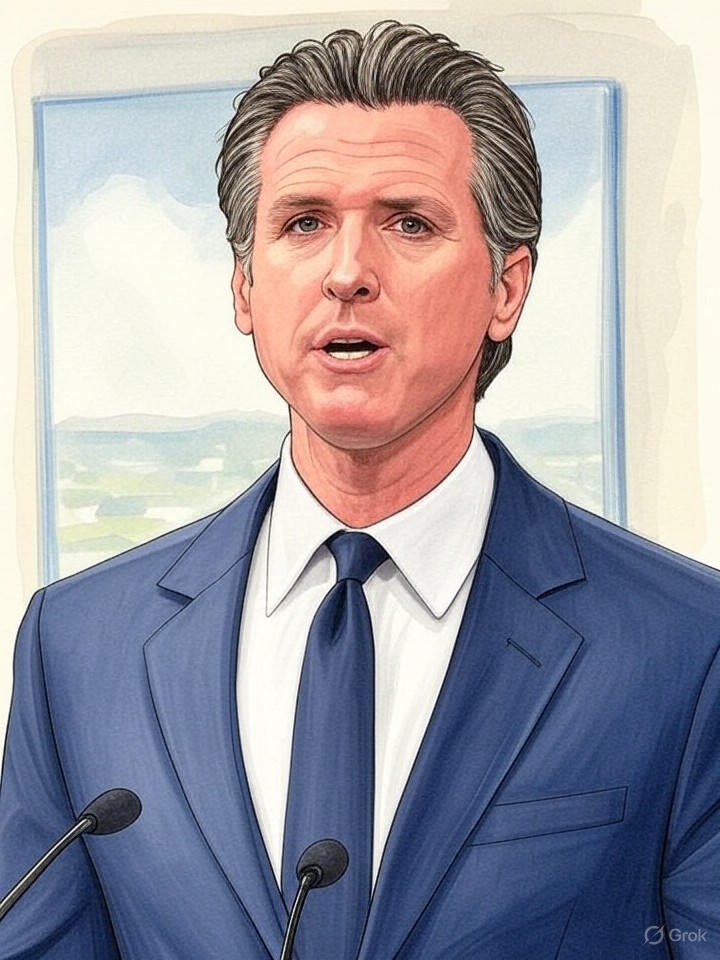
• State-level leaders are pursuing international cooperation despite federal absence. California Governor Gavin Newsom and New Mexico Governor Michelle Lujan Grisham are attending the summit, with Newsom criticizing the federal government's non-participation. He has used the opportunity to enter into climate agreements with Brazil, Colombia, and Nigeria, demonstrating that sub-national governments can still engage in global climate diplomacy.
• The conference allows leaders to resist unaligned national policies. At the summit, Governor Newsom publicly rejected a reported Trump administration proposal to expand oil drilling off California's coast, declaring it "dead on arrival." This action shows how state and local officials can use the international stage to assert their own climate agendas and challenge federal directives.
How it may affect me
As a U.S. reader:
• Diverging federal and state climate policies could create uncertainty, with one governor vowing to block reported federal plans for new offshore oil drilling.
• California's rising reliance on foreign oil amidst declining local production could influence future energy prices and supply for residents of that state.
• The practical impact of new climate agreements between U.S. states and foreign nations is unclear, though this represents a shift in international policy engagement.
• Low expectations for new global accords mean that recent climate trends, such as record temperatures and sea levels, may continue without new international action.