
• The U.S. is bolstering its military capacity in the Caribbean. The USS Gerald R. Ford has been moved into the U.S. Southern Command’s area of responsibility. This naval vessel joins destroyers, aircraft, and special operations assets as part of a significant military build-up in the region covering the Caribbean and South America.
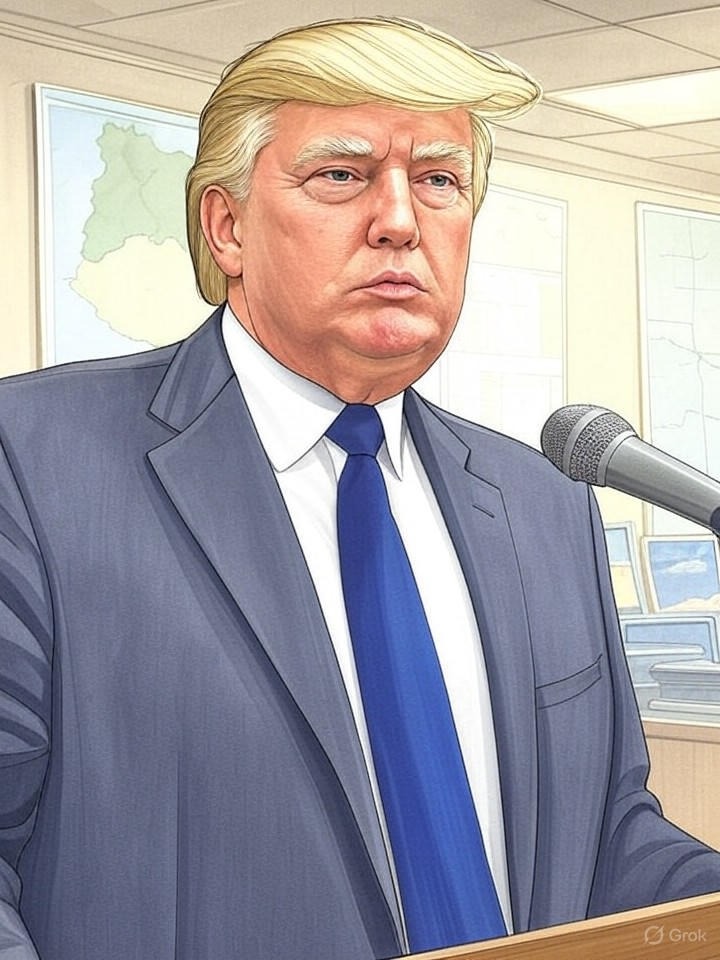
• Top officials are actively reviewing military options regarding Venezuela. Senior administration figures, including Vice President JD Vance and Secretary of State Marco Rubio, have held meetings with military leaders for three days to review potential actions. Options discussed reportedly include land-based strikes, and President Trump stated he has "sort-of" made up his mind on a course of action.
• U.S. action is framed as a response to alleged narco-trafficking. The administration asserts that Venezuelan President Nicolas Maduro is complicit with drug-smuggling gangs, with a 2020 federal indictment claiming he is a top narco trafficker. In line with this, the U.S. military has conducted deadly strikes on at least 21 vessels in the region alleged to be involved in drug smuggling.
How it may affect me
As a U.S. reader:
• The deployment of major military assets, such as an aircraft carrier, to the Caribbean directs significant national defense resources and spending to the region.
• An official decision to take military action in Venezuela could lead to a larger conflict, creating potential risks for U.S. service members.
• Military strikes on alleged smuggling boats aim to disrupt narco-trafficking, which could affect the availability of illicit drugs within the United States.
• Potential military action without allied support could strain diplomatic relationships, as noted by France's criticism, possibly affecting future international cooperation.