
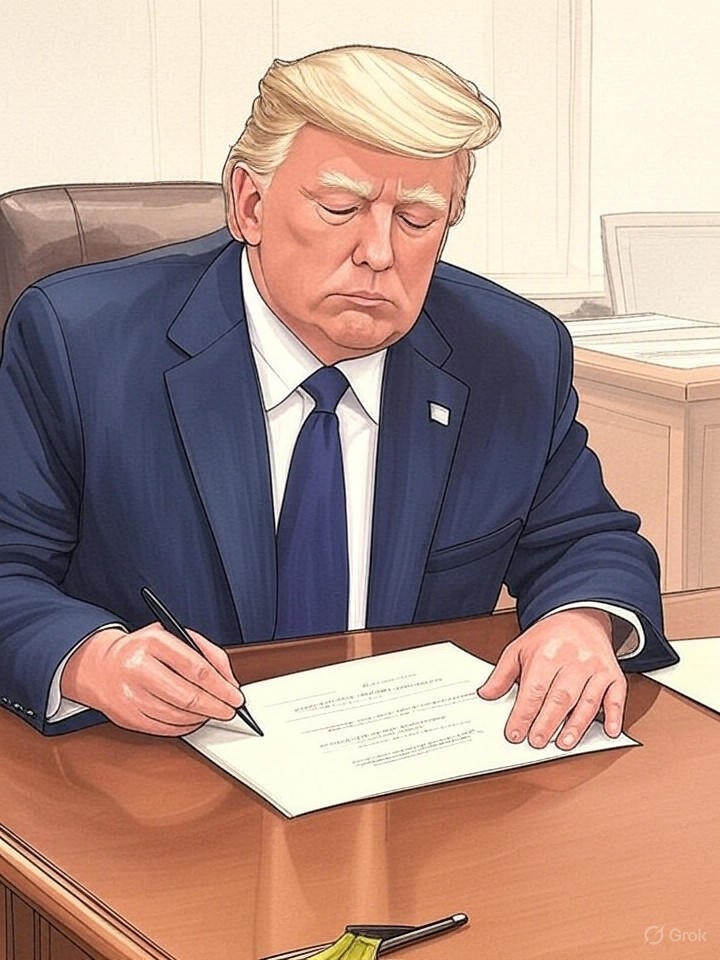
• The policy aims to lower high consumer food prices. The tariff rollback was announced amid concerns over rising food costs, which federal data shows have increased 3.1% in the last year. The president stated the move should lower prices for consumers, who have seen beef costs rise by 12.9% and roasted coffee by 18.9%.
• The move is justified by progress in international trade talks. The White House attributed the exemptions to "substantial progress" in trade negotiations. This executive order was signed the day after the administration established new trade framework agreements with four countries: Argentina, Guatemala, El Salvador, and Ecuador.
• The exemptions focus on products where U.S. supply is limited. According to the president, the tariffs are being removed from products that are "not competitive in this country," such as coffee and bananas. The move also affects beef imports at a time when the U.S. cattle herd is reported to be at a near 75-year low.
How it may affect me
As a U.S. reader:
• Prices for imported beef, coffee, and bananas may decrease in the short term, as the administration has removed tariffs to address recent cost increases.
• Consumers may find more imported beef available for purchase, as the tariff removal occurs while the U.S. cattle herd is reported at a near 75-year low.
• Shifting trade policies could affect long-term investment by U.S. food producers, who have stated that policy instability discourages investment in their operations.