
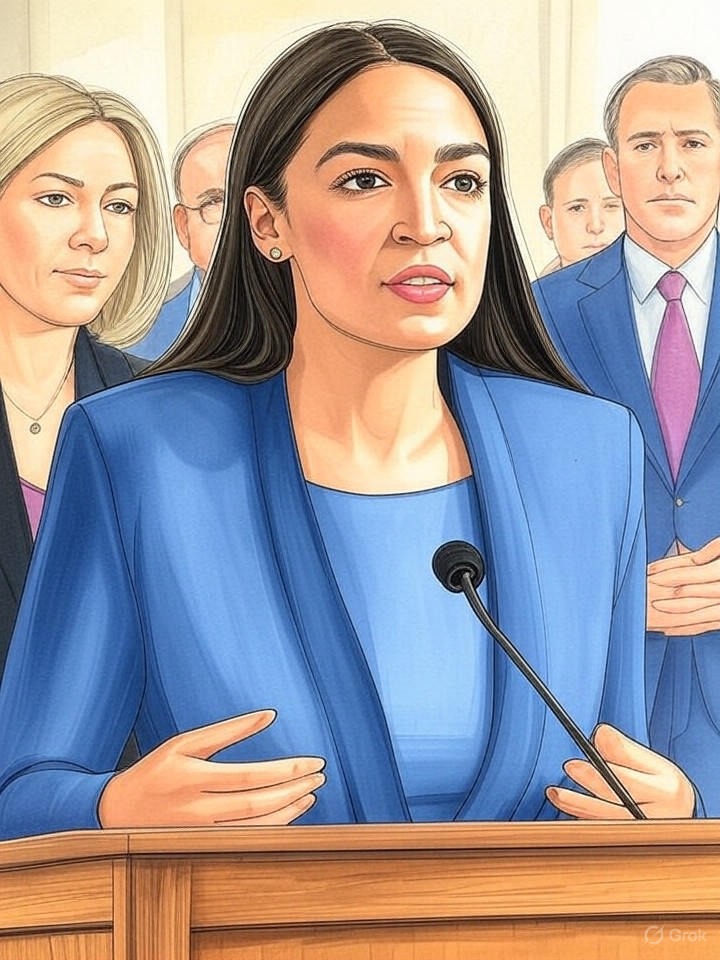
Illustration for: Democratic Divisions Emerge After Shutdown Vote
AI-generated illustration. Visual interpretation does not represent real individuals or scenes.

Democratic Divisions Emerge After Shutdown Vote

2025-11-13

The BareStory

A bipartisan vote in the Senate to end a government shutdown has highlighted divisions within the Democratic party. Eight members of the Senate Democratic caucus joined Republicans to approve a deal that funds the government through January, prompting public commentary from progressive lawmakers and scrutiny of party leadership.

Senator John Fetterman, one of the eight who voted for the deal, appeared on a news program Tuesday. During the segment, Fetterman commented that the network had "stopped inviting" him for interviews, a claim the host stated was untrue. In a March interview, Fetterman had previously criticized his own party, claiming it was out of touch and should "start talking like a regular person."

On Wednesday, Representative Alexandria Ocasio-Cortez was asked if Senator Chuck Schumer should remain as minority leader in light of the vote. She declined to answer directly, stating the issue was "bigger than one person" and that a leader reflects the party. Ocasio-Cortez noted the eight senators had coordinated their votes and encouraged voters to participate in primary elections.

Though Schumer voted against the deal, he has faced criticism from some progressive Democrats. According to one summary, Representatives Ro Khanna and Seth Moulton have claimed Schumer is no longer "effective." A cited report alleged that critics believe Schumer either secretly orchestrated the deal or was unable to control his caucus members. Some Democrats have reportedly suggested Ocasio-Cortez as a primary challenger to Schumer in 2028, a topic she has avoided answering directly.

Left Perspective

  • A bipartisan deal was necessary to keep the government funded.
  • The party should use more relatable language to connect with voters.
  • Proponents of the deal have engaged with the media to defend their position.

Right Perspective

  • Current party leadership has been questioned as ineffective.
  • The shutdown vote reveals a systemic issue larger than one person.
  • Voters are being encouraged to consider primary challenges.

How it may affect me

As a U.S. reader:

• The temporary funding deal prevents an immediate government shutdown, ensuring federal services continue to operate through January.

• Internal Democratic party divisions could affect future budget negotiations and the types of legislation passed.

• Voters may see more emphasis placed on primary elections as a tool to influence party leadership and policy direction.

Read the story at