
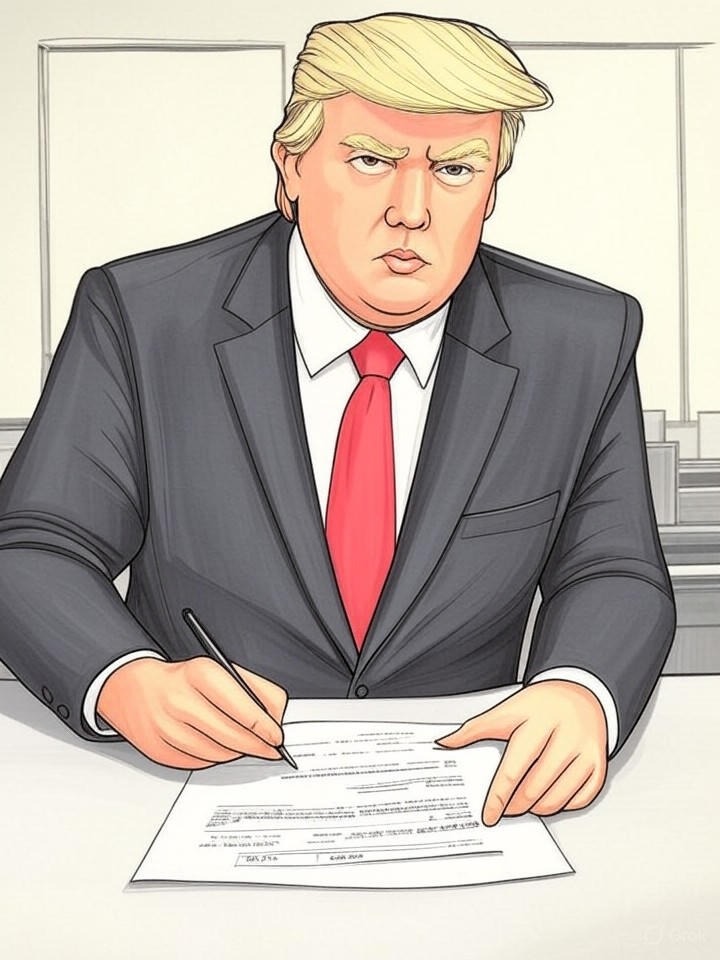
• The Democratic party was responsible for causing the lengthy government shutdown. President Trump placed the blame on Democrats for the shutdown, which he characterized as "extremely damaging." This perspective frames the legislative stalemate as a result of the opposition's actions, leading to the 43-day disruption of government services.
• The final agreement successfully reopened the government without including Democratic healthcare demands. The funding legislation passed by a House majority and signed by the President did not contain an extension for Affordable Care Act (ACA) subsidies. According to reports, House Speaker Mike Johnson has not committed to a future vote on the matter, securing a key outcome for the party in the negotiations.
• The shutdown inflicted a massive cost on the national economy. An estimate from the administration's National Economic Council Director placed the economic damage from the shutdown at $92 billion. This figure highlights the administration's view on the severe financial consequences that resulted from the prolonged funding gap.
How it may affect me
As a U.S. reader:
• The shutdown is estimated to have cost the U.S. economy $92 billion, a figure that could impact national economic performance and financial stability.
• Air travel faced significant chaos and flight reductions due to staff shortages, such as air traffic controllers, during the 43-day shutdown.
• Funding for the Supplemental Nutrition Assistance Program (SNAP) was disrupted, affecting food assistance for 42 million people nationwide.
• The government is funded only until January 30, creating the possibility of another shutdown if lawmakers fail to reach a new agreement.
• The future of Affordable Care Act subsidies remains unresolved, creating uncertainty over health insurance costs for individuals who rely on them for coverage.