
• The agreement failed to secure a key Democratic policy goal. Congressional Democrats entered the stalemate seeking to include an extension of expiring Affordable Care Act subsidies in any funding deal. After 42 days, the final agreement did not contain this provision, marking a significant concession.
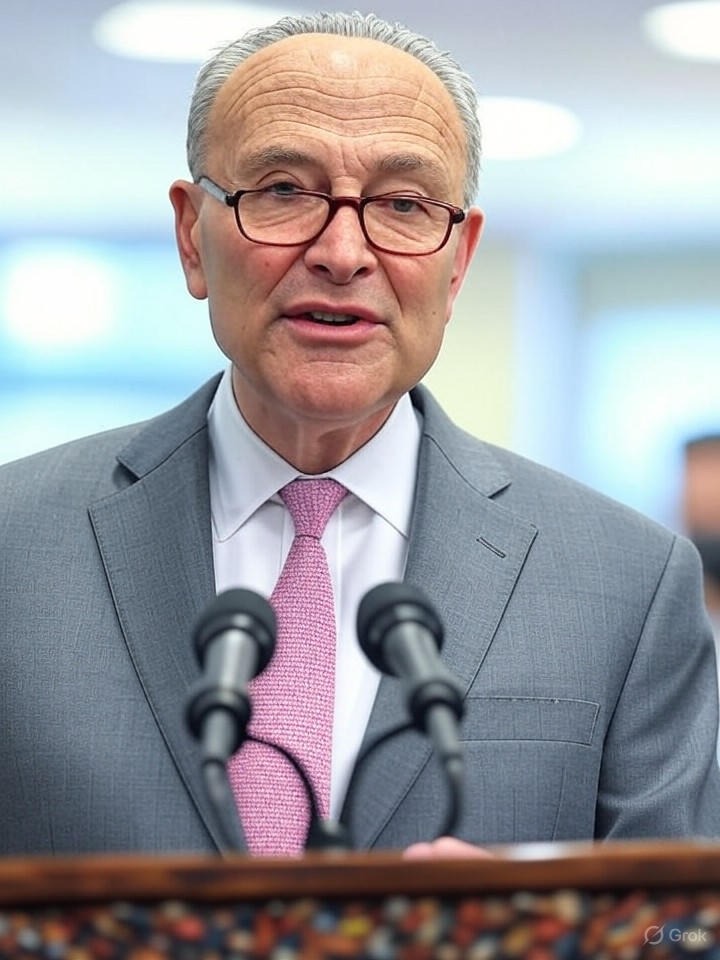
• The outcome has been described as a failure of party leadership. Despite voting against the measure, Senate Minority Leader Chuck Schumer has faced public criticism from within his own party. Representative Ro Khanna stated Schumer is "no longer effective," and Governor Gavin Newsom called the result "pathetic," leading to calls for his replacement.
• Concessions were insufficient given the shutdown's negative impact. While the deal reportedly secured back pay for workers and reversed some firings, it came after a record shutdown that caused major disruptions. These included federal workers missing two paychecks and thousands of flight cancellations due to air traffic controller shortages.
How it may affect me
As a U.S. reader:
• Air travel may continue to face disruptions in the short term, as flight schedules are not expected to return to normal immediately.
• Furloughed federal workers will receive back pay for missed checks, while firings made during the shutdown are set to be reversed.
• Funding for most of the government is temporary, lasting until January 30, which creates the possibility of another shutdown in the near future.
• The future of expiring Affordable Care Act subsidies remains uncertain, as an extension was not included in the bill, pending a potential future vote.