
• The proposal aims to make homeownership more affordable by lowering monthly payments. The stated goal is to help buyers contending with high home prices and mortgage rates. By extending the loan term to 50 years, the administration intends to reduce the size of monthly payments, making them more manageable for prospective homeowners.
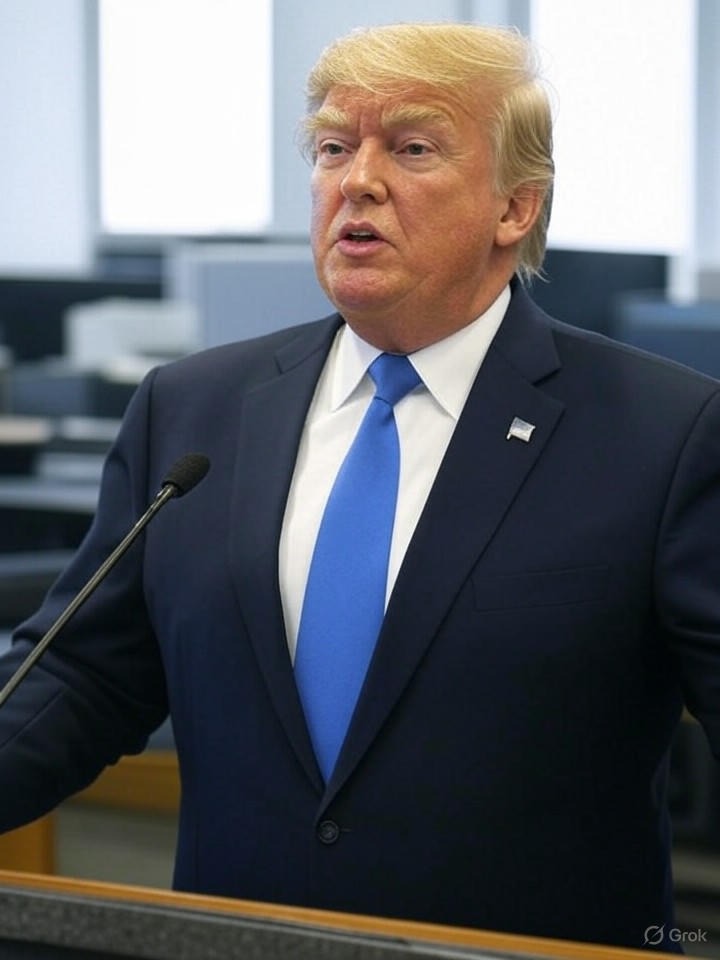
• Administration officials have championed the plan as a major step forward. The Federal Housing Finance Agency (FHFA) Director, Bill Pulte, called the effort a "complete game changer." President Trump defended the idea, stating that a lower payment from a longer-term loan is "not even a big deal," while a White House official noted the president is always exploring ways to improve housing affordability.
• The mortgage plan is part of a broader effort to provide financial relief. The article notes that, separately from the mortgage proposal, the president has proposed using tariff revenue to provide a dividend of "at least" $2,000 to most Americans. This indicates a wider focus on addressing financial pressures faced by the public through various initiatives.
How it may affect me
As a U.S. reader:
• Aspiring homeowners might qualify for mortgages with lower monthly payments, though the plan must overcome legal hurdles before it could be implemented.
• Homeowners with a 50-year loan would pay significantly more in total interest and build equity in their homes at a much slower rate.
• The proposal could increase housing demand, which experts warn may drive home prices higher and counteract the benefit of lower monthly payments.
• A separate dividend proposal, if passed by Congress, could result in a payment of at least $2,000 for most Americans, funded by tariff revenue.