
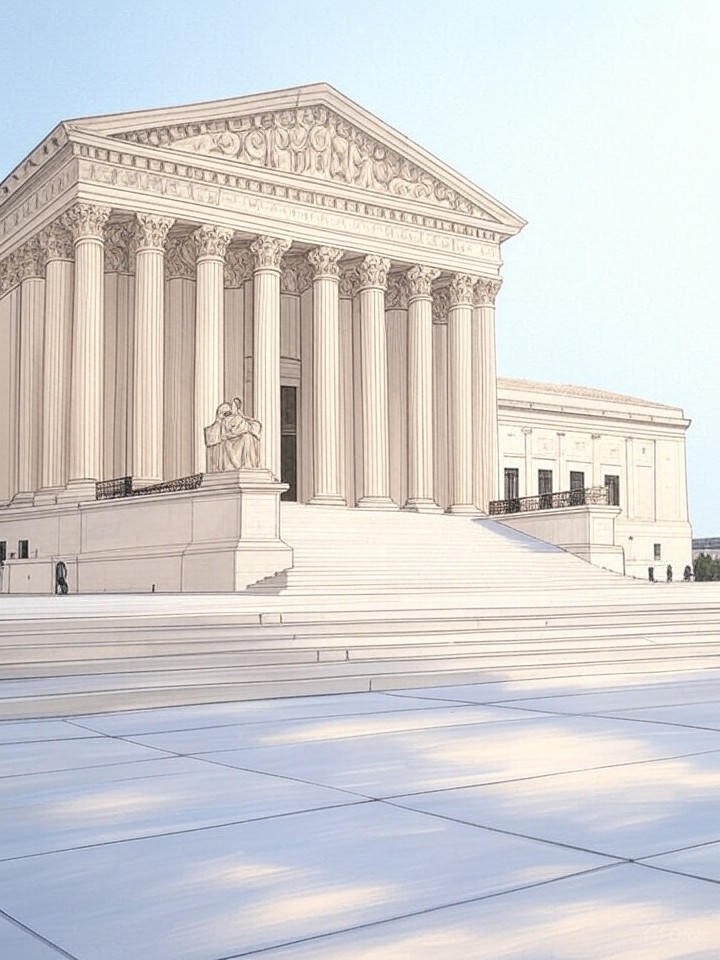
• The First Amendment should protect officials from personal liability. The former clerk’s appeal argued that she was protected from being sued by her First Amendment right to the free exercise of religion. This position holds that an official should not face financial damages for actions, such as declining to issue certain marriage licenses, that are rooted in their personal religious convictions.
• The legal foundation for same-sex marriage is flawed. According to a summary of the appeal, the clerk’s lawyers contended that the Supreme Court's 2015 *Obergefell* decision was a "legal fiction." The petition explicitly asked the court for a "course correction," framing the original ruling that established a nationwide right to same-sex marriage as a mistake that should be overturned.
• An official's conscience should not be compelled by court orders. The clerk’s refusal to issue licenses to same-sex couples was based on what she cited as her religious beliefs. This perspective challenges the idea that an official’s conscience must automatically yield to the Constitution, especially when it results in penalties like jail time for defying a court order.
How it may affect me
As a U.S. reader:
• The nationwide legal right for same-sex couples to marry remains unchanged, as the Supreme Court declined to reconsider the 2015 *Obergefell* precedent.
• Public officials remain legally obligated to provide services guaranteed by law, like marriage licenses, and can be held financially liable if they refuse based on personal beliefs.
• This decision reinforces that a public official's First Amendment religious freedom claim does not legally protect them from penalties for violating citizens' constitutional rights.