
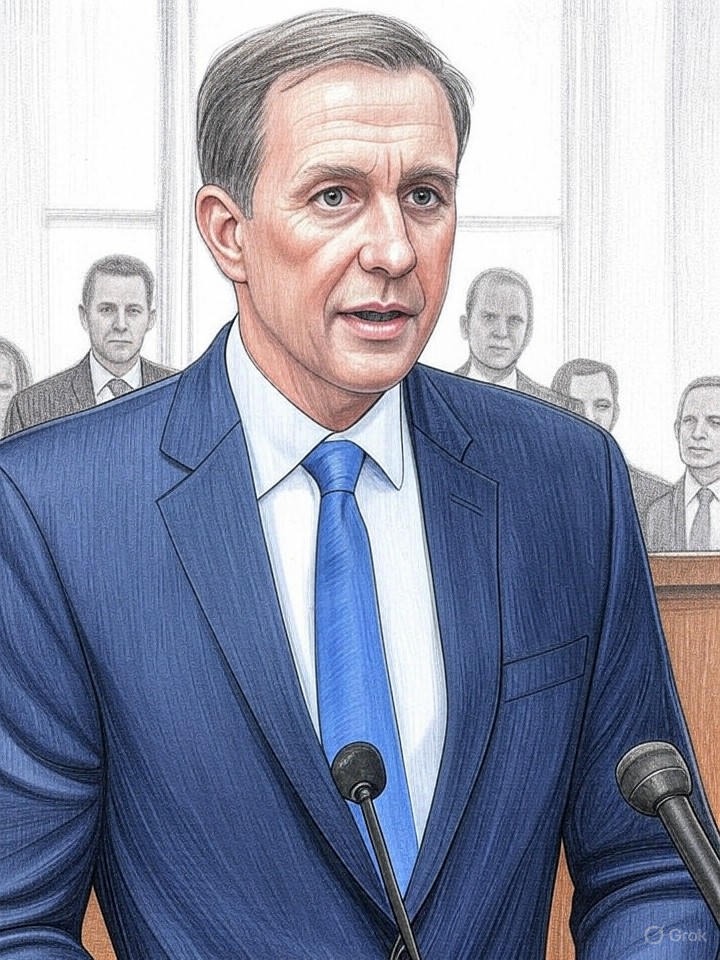
• The ongoing government shutdown is the primary threat to U.S. economic growth. National Economic Council Director Kevin Hassett warned that if the shutdown, caused by a healthcare standoff, extends through Thanksgiving, the country could face a quarter of negative economic growth. This position frames the shutdown as the key variable impacting the economy's immediate trajectory.
• The administration’s spending options are legally restricted during the shutdown. Hassett noted that the administration is bound by the Antideficiency Act, which limits spending without congressional approval. He stated that while some SNAP benefits are being administered, this action is testing legal limits, and that U.S. military pay could be halted after November 15 due to these constraints.
• The administration is exploring new economic ideas and believes its policies have contained inflation. The director described a recent presidential healthcare proposal involving direct payments as a "brainstorming" idea for Senate Republicans. Hassett also asserted that grocery prices have fallen significantly and that his council estimates tariffs have an inflationary impact "much closer to zero," suggesting the administration views its economic management as successful.
How it may affect me
As a U.S. reader:
• A continued shutdown may halt pay for 750,000 federal workers and military personnel, leading to financial hardship for their families.
• A Supreme Court stay blocking full SNAP benefits could reduce food assistance for households that depend on the program to buy groceries.
• An extended shutdown could cause a negative growth quarter, potentially affecting the broader economy, employment, and the value of retirement savings.
• Conflicting reports on grocery prices and inflation may create uncertainty for consumers, as official data and White House claims differ on the cost of living.