
Body of Israeli Hostage Returned from Gaza

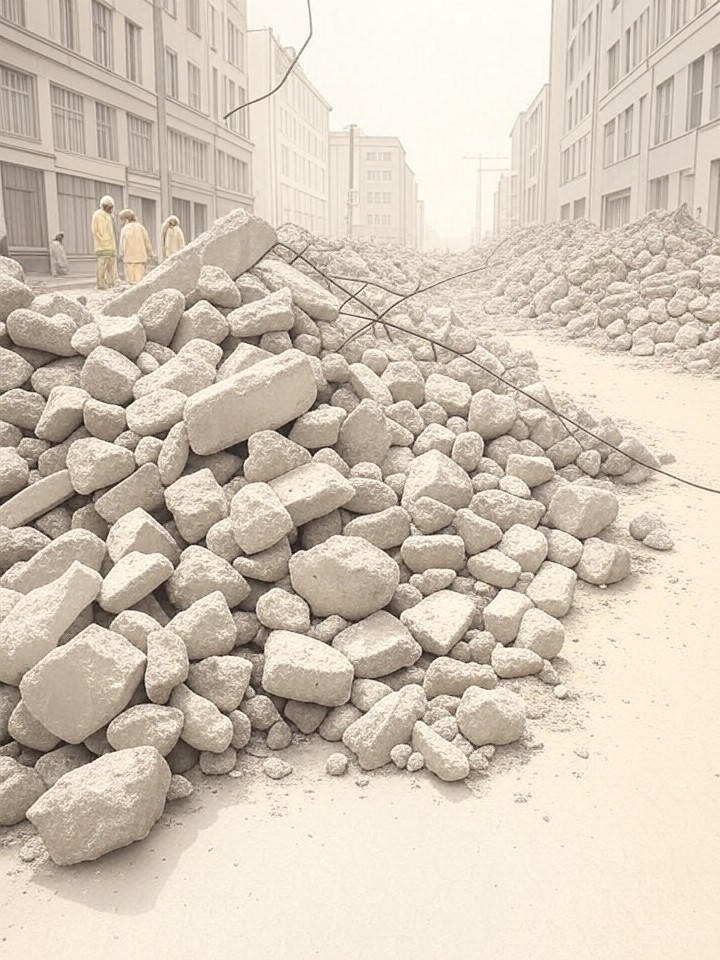
Illustration for: Body of Israeli Hostage Returned from Gaza
AI-generated illustration. Visual interpretation does not represent real individuals or scenes.

THE BARE STORY

The Israel Defense Forces (IDF) have announced the return of the body of Lior Rudaeff, a 61-year-old Israeli killed during the October 7, 2023, attack. His remains had been held in the Gaza Strip. The IDF stated that Rudaeff was killed while defending his community, and the Hostages and Missing Families Forum said he was a member of the emergency response team for Kibbutz Nir Yitzhak.

This exchange is part of a U.S.-brokered ceasefire that began on October 10, 2025, which includes the return of remains from the two-year conflict. Since the truce began, Palestinian militants have released the remains of 23 hostages. In return, Israel has released the bodies of 285 Palestinians to Gaza. Health officials in Gaza have reportedly identified 84 of the returned bodies but are struggling with further identification due to a lack of DNA kits.

The process has faced disagreements. Hamas has claimed it cannot access all remains because they are buried under rubble from Israel's military offensive. In response, Israel has accused militants of delaying the returns and has threatened to resume military operations or withhold humanitarian aid.

Following Rudaeff’s return, the remains of five deceased hostages are still being held in Gaza. Four of them were killed on October 7, 2023, while the fifth, Israeli soldier Hadar Goldin, has been held since he was killed in 2014. The IDF reiterated its commitment to returning all deceased hostages and its preparedness to continue the ceasefire agreement, stating that Hamas is required to fulfill its part of the deal.

Same Facts. Different Perspectives.

Two AI models. Two viewpoints. One factual foundation.

• The recovery of hostage remains is hampered by logistical challenges. Hamas has claimed that it is unable to access all the remains because they are buried under rubble created by Israel's own military offensive. This suggests the delay is a practical problem, not a deliberate choice.

• The exchange of remains is a reciprocal process. While Palestinian militants have released the remains of 23 hostages, Israel has, in return, released the bodies of 285 Palestinians to Gaza. However, officials in Gaza report difficulties in identifying many of these bodies due to a lack of necessary DNA kits.

• The group faces threats of renewed conflict and aid suspension from Israel. The Israeli side has threatened to restart military action or stop the flow of humanitarian aid over the perceived delays. From this perspective, the pressure to locate remains buried by an Israeli offensive is tied to the potential for renewed hostilities and a humanitarian crisis.

How it may affect me

As a U.S. reader:

• The stability of a U.S.-brokered ceasefire is at risk, which could require further American diplomatic involvement to prevent a return to wider conflict.

• A threatened suspension of humanitarian aid could worsen conditions in Gaza, potentially leading to pressure on the U.S. to provide more funding or intervention.

• The potential for renewed military operations could destabilize the region, possibly affecting U.S. foreign policy and national security interests in the Middle East.

Read the story at

Note: All TheBareNews content is AI-generated. For additional context, reporting, and updates, you are invited to explore the news outlets linked above.