
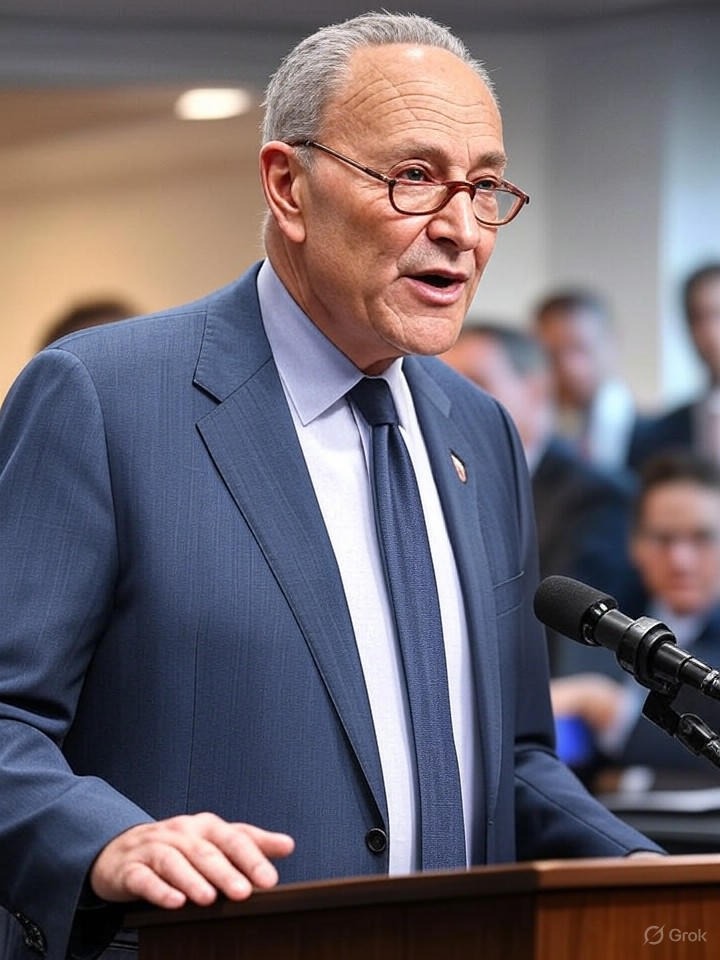
• Democrats are pushing to include a subsidy extension in the bill to reopen the government. Senate Majority Leader Chuck Schumer has proposed a one-year extension of the enhanced tax credits, coupled with the creation of a bipartisan reform committee. This approach seeks to provide immediate financial relief to enrollees by tying the extension to legislation aimed at ending the federal government shutdown.
• Projections suggest millions could lose insurance and face significant premium hikes if subsidies expire. According to the Congressional Budget Office, the expiration of subsidies could cause 4 million more people to become uninsured over the next decade. Furthermore, a nonpartisan health policy research group, KFF, projected that the average subsidy recipient’s annual premium could increase by 114%, from $888 to $1,904.
• Enrollees report facing unaffordable premium increases that could force them to forgo care. The article highlights individuals who are facing substantial cost increases. For example, a Florida resident with diabetes reported his premium would jump from $28 to over $700 per month, while an Illinois resident stated his wife's premium would rise to an amount that would exceed their fixed annual income.
How it may affect me
As a U.S. reader:
• About 22 million people with ACA health plans may see their annual premiums increase by an average of 114% if enhanced subsidies expire.
• The number of uninsured Americans could increase by 4 million over the next decade if the subsidies are not extended, according to a government projection.
• Individuals earning above 400% of the federal poverty level would lose all eligibility for premium assistance due to the return of a "subsidy cliff."
• The political dispute over the subsidies is a factor in a federal government shutdown, which may affect government operations until the deadlock is resolved.