
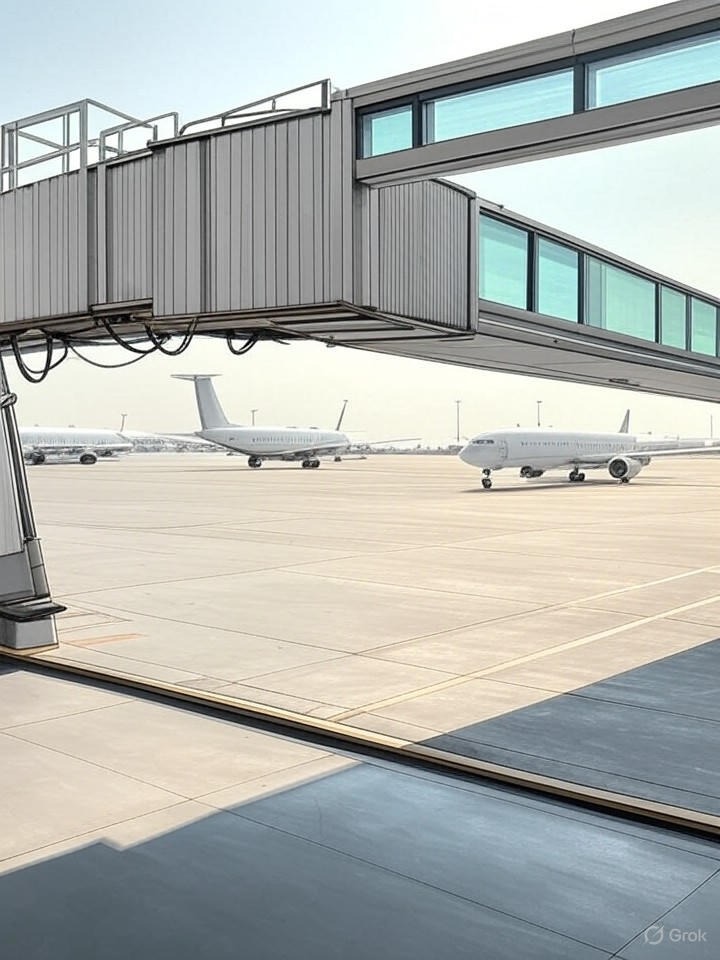
• Flight reductions are a necessary response to staffing shortages. Administration officials have attributed the flight cuts to significant strain on the air traffic control system. According to the Transportation Secretary, the reductions were necessary because some unpaid air traffic controllers were calling in sick, creating staffing gaps.
• The disruptions are expected to escalate if a resolution is not found. The Federal Aviation Administration (FAA) has indicated that the current measures are part of a phased response. According to its order, flight cuts are scheduled to increase incrementally if the government shutdown continues.
• A proposed legislative solution has been deemed unworkable. In Washington, Republicans have dismissed the Democratic proposal aimed at reopening the government. The proposal was labeled a "non-starter," suggesting that from this perspective, a different approach is needed to end the stalemate.
How it may affect me
As a U.S. reader:
• Your air travel may be affected by cancellations and delays at 40 U.S. airports. These disruptions are scheduled to increase if the shutdown continues.
• Federal workers are missing paychecks, which directly impacts their personal finances and household spending.
• Funding for the Supplemental Nutrition Assistance Program (SNAP) is affected, which may cause disruptions for people who receive these benefits.
• The shutdown coincides with reports of consumer sentiment nearing record lows, potentially influencing national spending habits and the broader economy.