
• The CEO's compensation plan received significant shareholder backing. A large majority of voting shareholders, 75%, approved the new compensation plan for the CEO. This approval, which aligned with the company board's own support, signals strong investor confidence in the CEO's strategic direction and the ambitious performance milestones tied to the package.
• The company outlined ambitious plans for vertical integration and new products. During the meeting, the CEO announced that Tesla may need to build its own "gigantic" semiconductor plant to meet the demands of its AI and robotics goals, claiming existing suppliers cannot provide the necessary volume. He also announced that production of the "Cybercab," an autonomous vehicle with no steering wheel or pedals, is planned to begin in April.
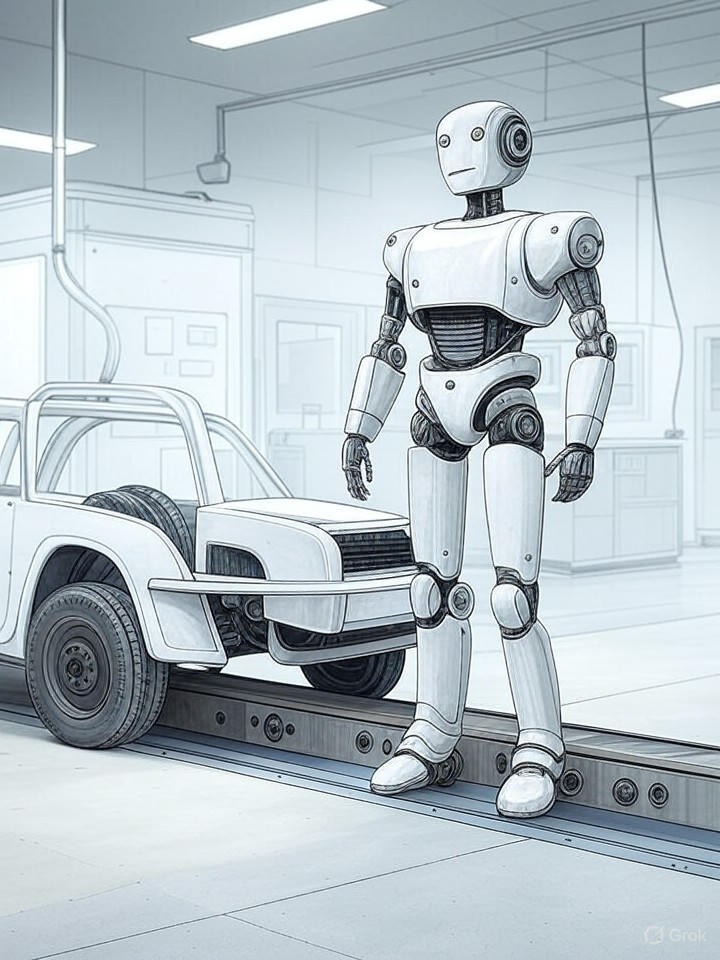
• Leadership presented a transformative vision for the company's robotics and AI initiatives. The new pay plan is tied to performance goals that include the deployment of Optimus robots. Supporters point to the CEO's claims during the meeting that the Optimus robot could one day "eliminate poverty," framing the company's ambitions as extending far beyond the automotive sector into solving fundamental societal problems.
How it may affect me
As a U.S. reader:
• The planned production of an autonomous "Cybercab" could introduce new transportation services, potentially altering traffic patterns and affecting jobs in the professional driving sector.
• A potential new "gigantic" semiconductor factory could create manufacturing jobs and impact the domestic chip supply, though specific plans remain undefined.
• The approved CEO compensation structure, tied to performance goals, may influence Tesla's stock price, impacting the portfolios of public investors and some retirement funds.
• The long-term deployment of Optimus robots could affect future labor markets through automation, though claims about their broader societal impact are speculative at this stage.