
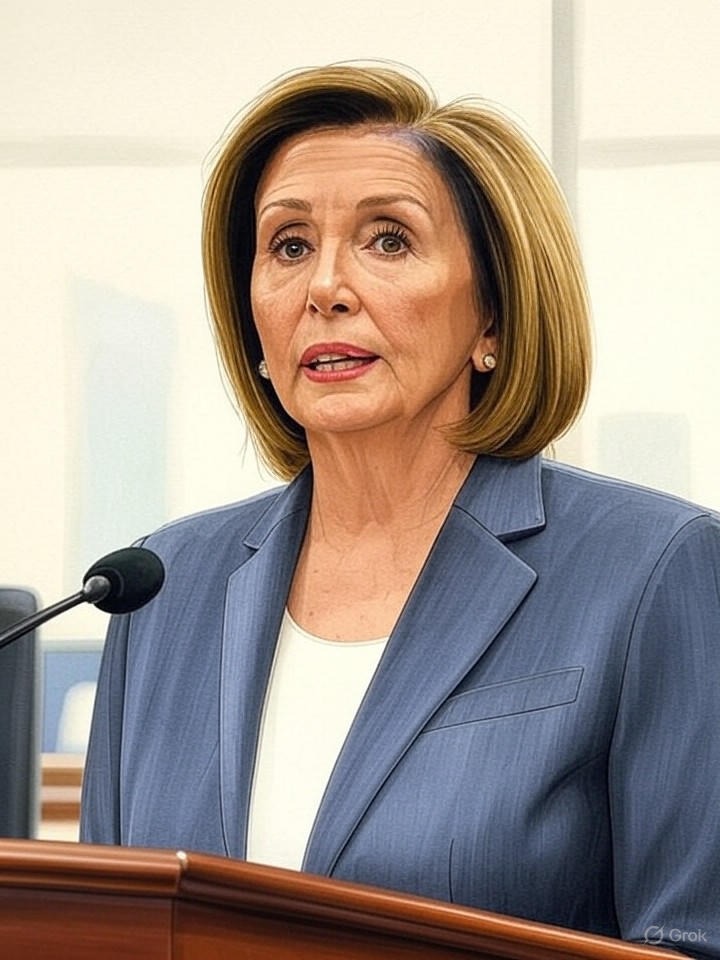
• Former President Trump stated her retirement is beneficial for the U.S. In a public statement, former President Donald Trump reacted to the retirement announcement by calling it "a great thing for the country." This frames her departure from Congress as a positive development for the nation.
• Officials have made allegations regarding her actions around January 6. A summary noted a claim by former U.S. Capitol Police Chief Steven Sund, who alleged that in the days before the January 6, 2021, event at the U.S. Capitol, Pelosi denied his request for National Guard assistance. This allegation points to a specific leadership decision during a critical time.
• Her tenure as Speaker included divisive political actions. As Speaker of the House, Pelosi presided over two impeachment votes against former President Donald Trump. These actions were a central and contentious part of her leadership career.
How it may affect me
As a U.S. reader:
• Her retirement highlights the issue of aging political leaders, potentially prompting generational shifts within Congress that could alter future legislative priorities.
• The departure may renew public discussion regarding security decisions made prior to the January 6, 2021, event, based on allegations mentioned in the article.
• The event could make the age of political candidates a more significant factor for voters in upcoming elections for both Congress and the presidency.