
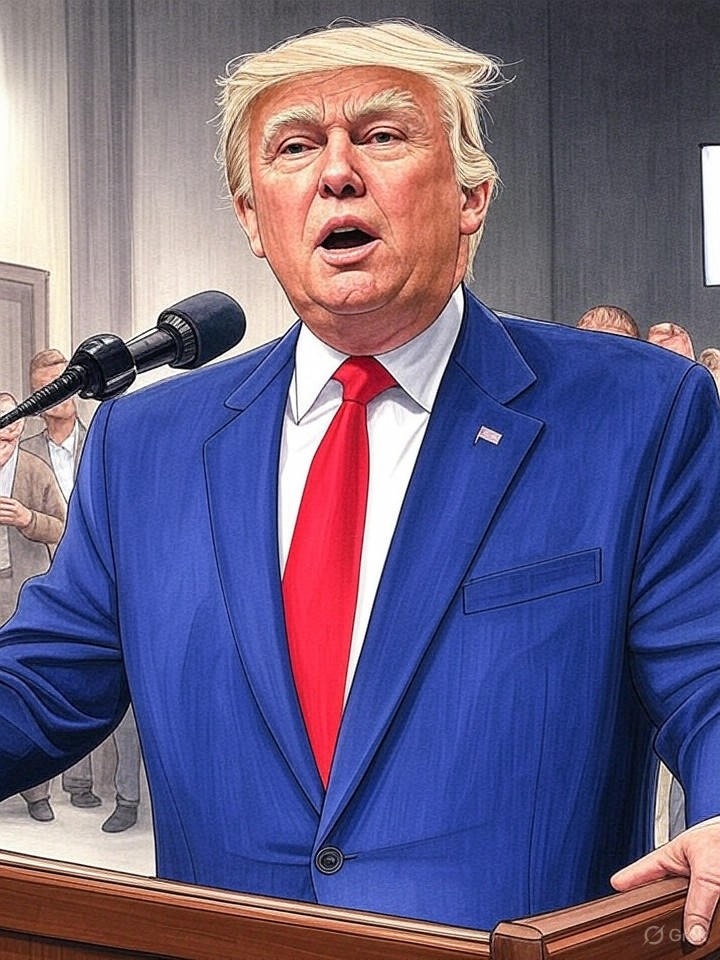
• Focused on a platform of civil rights and public safety. Supporters would highlight that Jones campaigned on a forward-looking agenda, stating he would prioritize protecting civil rights. He also promoted a public safety plan that he said was developed with input from law enforcement, presenting a collaborative approach to the role.
• Addressed past controversies by taking responsibility. When scrutinized for past text messages and a reckless driving charge, Jones issued a statement taking responsibility and apologized for the messages. His projected victory suggests that voters were willing to move past these issues, accepting his apology or prioritizing his policy platform instead.
• Effectively contrasted his opponent's political alliances. During a debate, Jones reportedly made a strategic choice to focus on incumbent Jason Miyares's ties to former President Donald Trump. This approach framed the election around his opponent's endorsement from a nationally divisive figure, which likely appealed to a key segment of the electorate.
How it may affect me
As a U.S. reader:
• The Democratic party’s plan to improve its candidate vetting process could alter the types of candidates voters see on ballots in future elections nationwide.
• The winner's strategy of linking his opponent to a national political figure may be replicated by other campaigns, affecting future election messaging across the country.
• This outcome may influence how candidates in other states balance "tough-on-crime" messages with platforms focusing on civil rights and collaborative public safety.