
• The campaign is being studied as a potential international model. Left-wing political delegations from France, Germany, and the United Kingdom have reportedly visited New York City to observe Mamdani's campaign. These groups view his grassroots model as a potential blueprint that could be adapted for their own parties in Europe.
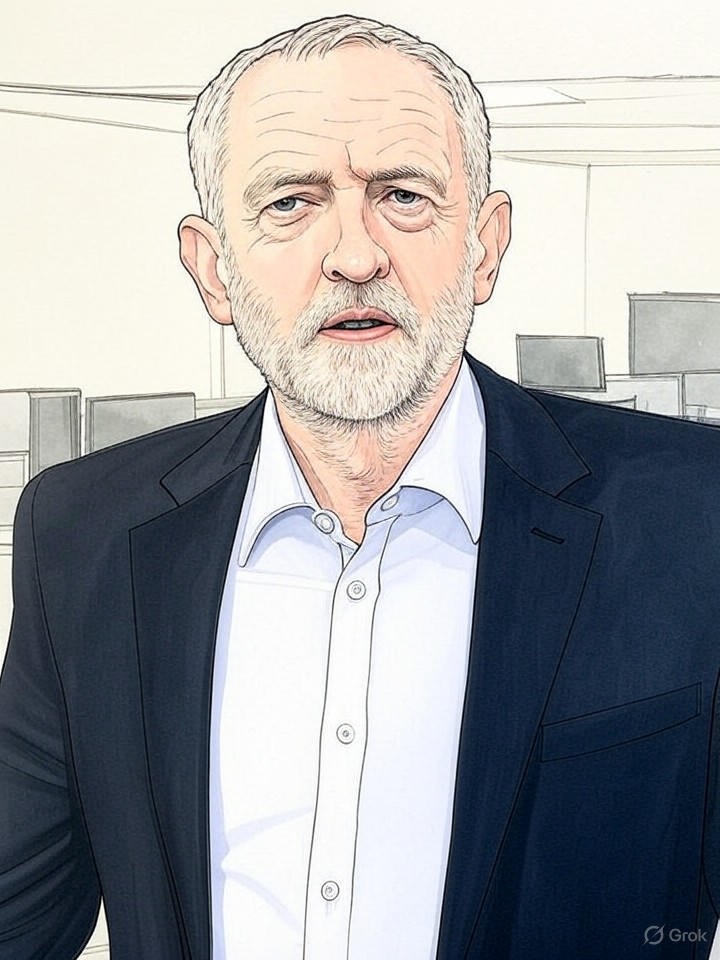
• The movement has drawn support from prominent international figures. Jeremy Corbyn, the former leader of the U.K.'s Labour Party, has publicly supported the campaign. He and his team have actively participated by conducting phone-banking for Mamdani.
• The candidate is viewed as a trailblazer for a new political movement. According to Alan Mendoza, executive director of the Henry Jackson Society, Mamdani is a trailblazer for hard-left movements. Mendoza claimed that economic problems in New York have created fertile ground for this type of politics, with similar conditions existing in some European cities.
How it may affect me
As a U.S. reader:
• The candidate’s campaign model is studied as a potential blueprint. Its success could inspire similar grassroots political movements in other U.S. cities.
• If elected mayor, the candidate's pledge to arrest a foreign leader could create diplomatic tensions that may affect U.S. foreign policy.
• The candidate's rhetoric suggests potential shifts in NYC policing policy, which could influence law enforcement reform debates in other cities.