
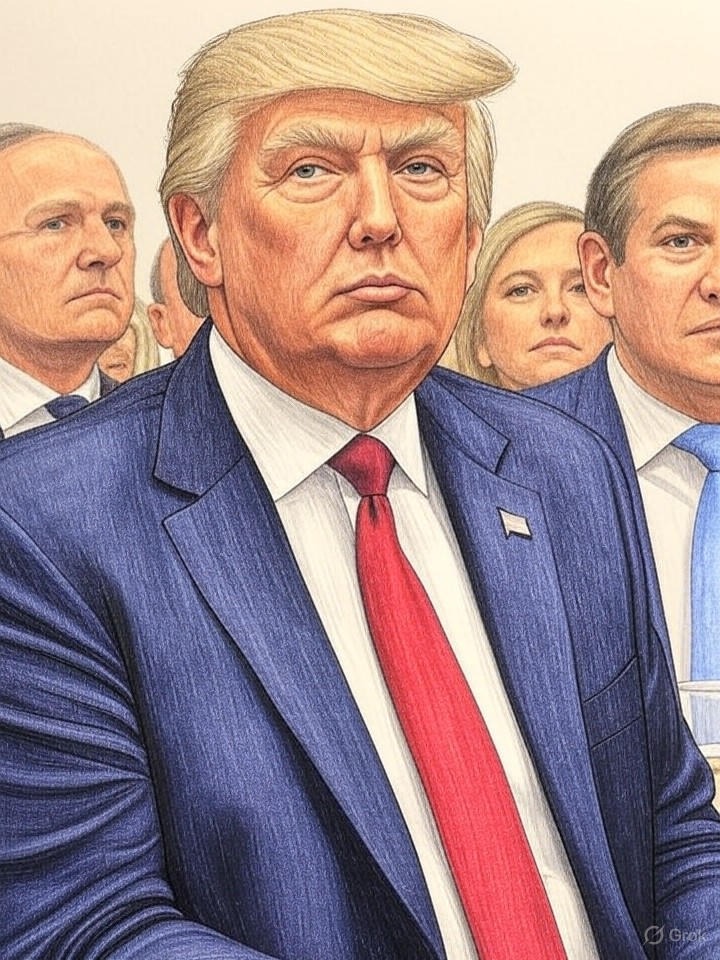
• The Prime Minister apologized to the U.S. President for the ad. Prime Minister Mark Carney stated he personally apologized to President Trump for an anti-tariff television advertisement from Ontario that aired in the U.S. According to Carney, the apology was delivered during a dinner at the APEC summit after he learned the president was "offended" by it.
• The ad was a sub-national issue that required federal management. Carney said he is responsible for the overall U.S.-Canada relationship and claimed he had advised Ontario's Premier, Doug Ford, not to run the ad in the first place. This followed a claim from Ford that the Prime Minister's office had seen the ad prior to its release.
• Diplomatic efforts are aimed at lowering existing tariffs. The apology and management of the ad's fallout are occurring while Carney is actively trying to negotiate a trade deal with the U.S. The goal of these negotiations is to lower tariffs that have reportedly affected Canadian sectors, including steel and aluminum.
How it may affect me
As a U.S. reader:
• U.S. tariffs on Canadian steel and aluminum remain in place. The success of ongoing trade negotiations will determine if prices for related U.S. products are affected.
• A Supreme Court case on presidential tariff authority was mentioned in the dispute. The ruling could affect how future U.S. trade policy is made and enforced.
• A Senate resolution to block the tariffs is unlikely to pass the House, meaning a legislative reversal of the current tariff policy appears improbable for now.