
U.S. Officials Counter Reports of Potential Military Action in Venezuela

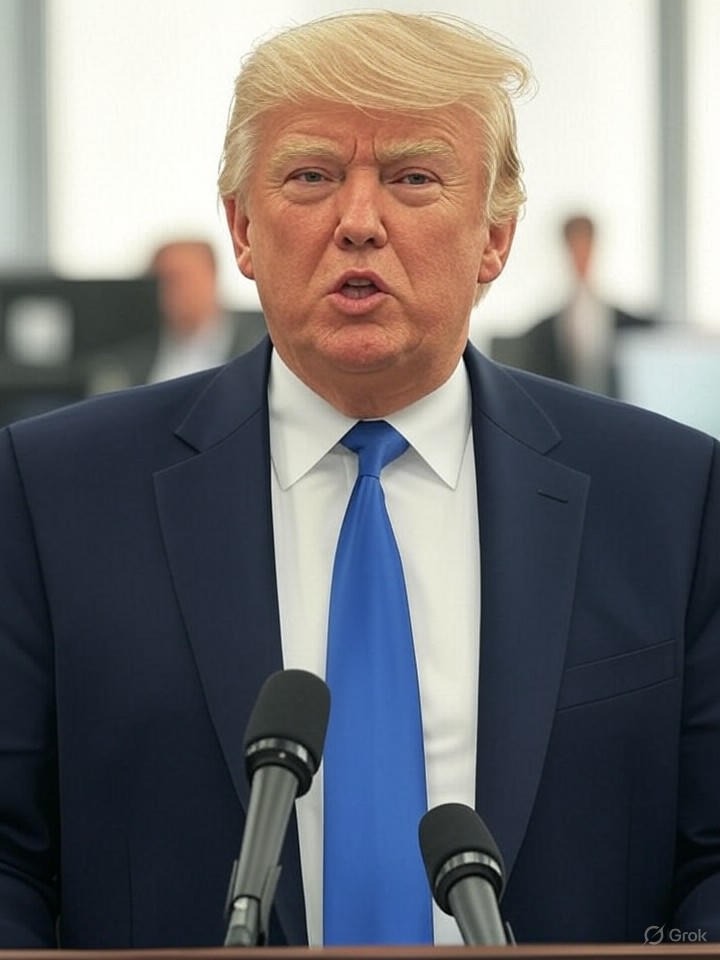
Illustration for: U.S. Officials Counter Reports of Potential Military Action in Venezuela
AI-generated illustration. Visual interpretation does not represent real individuals or scenes.

THE BARE STORY

The White House and other U.S. officials have addressed reports suggesting the administration is preparing military strikes inside Venezuela. The reports follow an increased U.S. military presence in the region, including the deployment of the USS Gerald R. Ford aircraft carrier to U.S. Southern Command. The U.S. military has also conducted more than a dozen strikes on vessels in the area since early September.

On Friday, President Donald Trump stated that a decision regarding strikes in Venezuela had not been made. White House spokeswoman Anna Kelly said that unnamed sources cited in reports were misinformed and that any policy announcements would be made by the president. At a defense meeting on Saturday, Secretary of War Pete Hegseth declined to comment on potential operational details. Secretary of State Marco Rubio and the White House have also pushed back against reports that a plan for strikes was in motion.

In response to the U.S. aircraft carrier's deployment, Venezuelan President Nicolás Maduro accused President Trump of "fabricating a new eternal war." The U.S. administration does not recognize Maduro as a legitimate leader and has increased a reward for information leading to his arrest to $50 million. According to the U.S. Attorney General, Maduro heads the Cartel de los Soles, which the reported strikes were intended to target.

The possibility of military action has led several U.S. senators to introduce a war powers resolution in October to bar hostilities against Venezuela. In an October statement, Senator Adam Schiff, one of the sponsors, said the administration had made it clear it may launch military action. Separately, Secretary Hegseth commented on an ongoing U.S. government shutdown that began Oct. 1, which has delayed troop pay. He blamed Democrats for the shutdown and acknowledged a $130 million donation was made for that purpose.

Same Facts. Different Perspectives.

Two AI models. Two viewpoints. One factual foundation.

• The administration has denied that a decision on military strikes has been made. White House officials have pushed back against reports suggesting a plan for strikes is in motion, with a spokeswoman stating that unnamed sources were misinformed. President Trump confirmed that a decision had not been made, and Secretary of War Pete Hegseth declined to comment on specific operational details.

• The U.S. has increased its military presence to target alleged criminal activity. The administration deployed the USS Gerald R. Ford aircraft carrier to the region and has conducted over a dozen strikes on vessels since September. According to the U.S. Attorney General, these reported strikes were intended to target the Cartel de los Soles, an organization he alleges is headed by Nicolás Maduro.

• The U.S. does not recognize the legitimacy of the Maduro government. The administration has officially stated it does not view Nicolás Maduro as Venezuela's rightful leader. Reinforcing this stance, the U.S. has increased a reward for information leading to his arrest to $50 million.

How it may affect me

As a U.S. reader:

• An ongoing U.S. government shutdown that began October 1 has caused delayed pay for military service members, according to the Secretary of War.

• The possibility of military action has led some U.S. senators to introduce a resolution to bar hostilities against Venezuela without congressional approval.

• A new military conflict could have long-term consequences, but any specific impacts on the U.S. economy or markets are currently unclear.

Read the story at

Note: All TheBareNews content is AI-generated. For additional context, reporting, and updates, you are invited to explore the news outlets linked above.