
• The government funding bill must include an extension for expiring health insurance subsidies. Senate Democrats have blocked the temporary funding bill 13 times, demanding that it address the upcoming lapse in enhanced health subsidies under the Affordable Care Act. They argue this issue is critical to resolve now, as the open enrollment period for health insurance begins on November 1.
• Public pressure from the shutdown's impact will force Republicans to negotiate. Senate Minority Leader Chuck Schumer stated his belief that as funding deadlines for programs like the Supplemental Nutrition Assistance Program (SNAP) pass, public pressure will compel Republicans to negotiate. This strategy relies on the shutdown's widening effects, including missed paychecks for federal workers and risks to aid programs, to create an impetus for a deal on their terms.
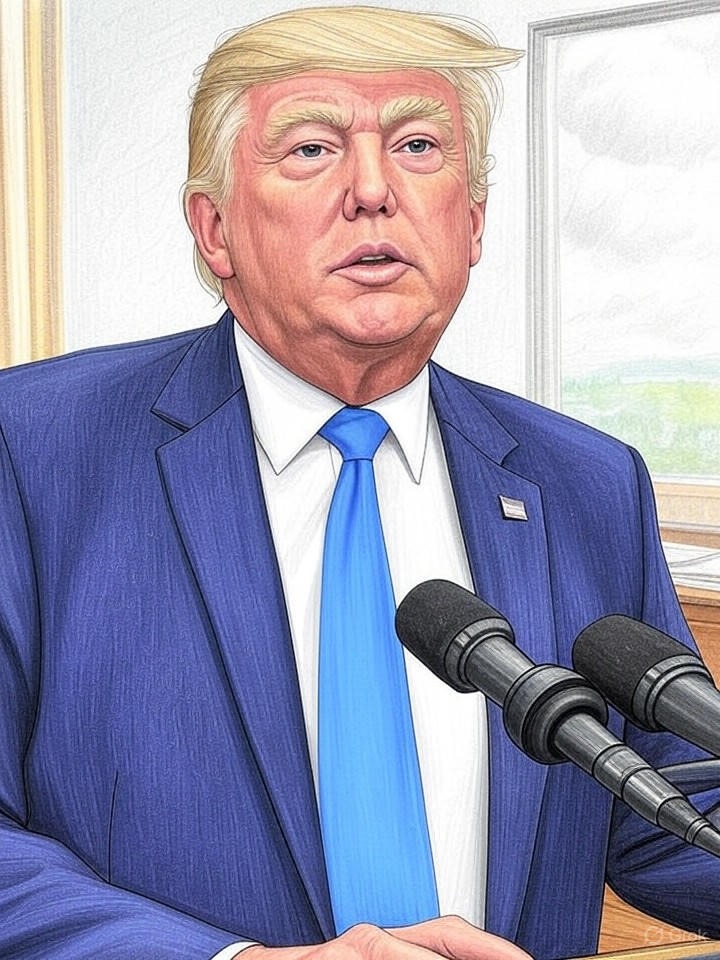
• Republicans are prolonging the shutdown by refusing to address related urgent needs. Democrats blame their counterparts for the impasse, noting that President Donald Trump is a key figure in any final agreement. While some bipartisan discussions are occurring among rank-and-file members, Democratic leader Chuck Schumer rejected an offer from the president to meet only after the government reopens, and Senate Democrats have introduced their own bill to fund both SNAP and the WIC program.
How it may affect me
As a U.S. reader:
• Up to 42 million Americans risk losing SNAP food assistance this weekend. Funding for the WIC and Head Start programs is also in jeopardy.
• Health insurance costs may rise for some, as enhanced subsidies are set to expire when open enrollment for the Affordable Care Act begins November 1.
• Federal workers are missing paychecks, which could have economic effects. The duration of this disruption to pay and government services remains uncertain.